Custom Stickers Factory for Your Brand – Guides, Materials & Customization Hacks

Custom Stickers Factory for Your Brand – Guides, Materials & Customization Hacks
 Xinyin
 May 08,2026

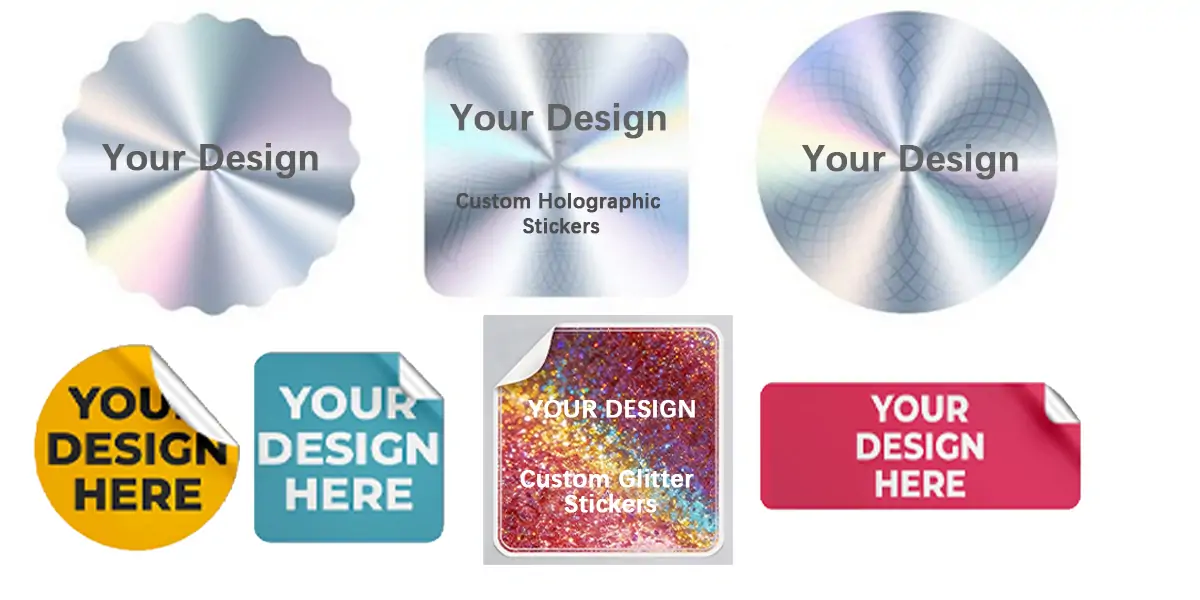
In today's competitive business landscape, custom stickers serve as versatile marketing tools, brand identifiers, and product enhancers for businesses of all sizes—from small startups to large enterprises. Whether you need custom die-cut stickers, vinyl stickers, holographic stickers, or roll labels, partnering with a reliable sticker supplier is critical to ensuring consistent quality, timely delivery, and cost-effectiveness.
Choosing the right supplier can be a daunting task, especially with countless options available globally. This guide outlines the key factors to consider when selecting a sticker supplier, aligned with industry best practices and designed to help you make an informed decision.
The global sticker and label market continues to expand steadily. According to market research, the global label market is projected to maintain a compound annual growth rate of 2.8% between 2025 and 2028. The custom die-cut stickers market alone stood at approximately USD 53.56 million in 2025 and is expected to reach USD 88.11 million by 2035, reflecting a 5.2% CAGR.
However, market growth does not automatically translate into supplier quality. According to industry analysis, over 60% of branding-related quality complaints trace back to supplier selection rather than design issues. For businesses using stickers for product packaging, branding campaigns, or promotional materials, selecting a reliable partner directly affects product quality, delivery timelines, and ultimately customer satisfaction.
Before evaluating individual suppliers, it helps to understand where sticker production is concentrated. China remains the world’s leading producer of adhesive label products, with major industrial clusters in coastal regions.
For North American and European buyers, suppliers in regions such as Fujian (Xiamen) offer strategic export advantages through optimized shipping routes and customs compliance. This geographical context does not guarantee quality from any individual supplier, but it helps frame which regions have established manufacturing infrastructure worth investigating further.
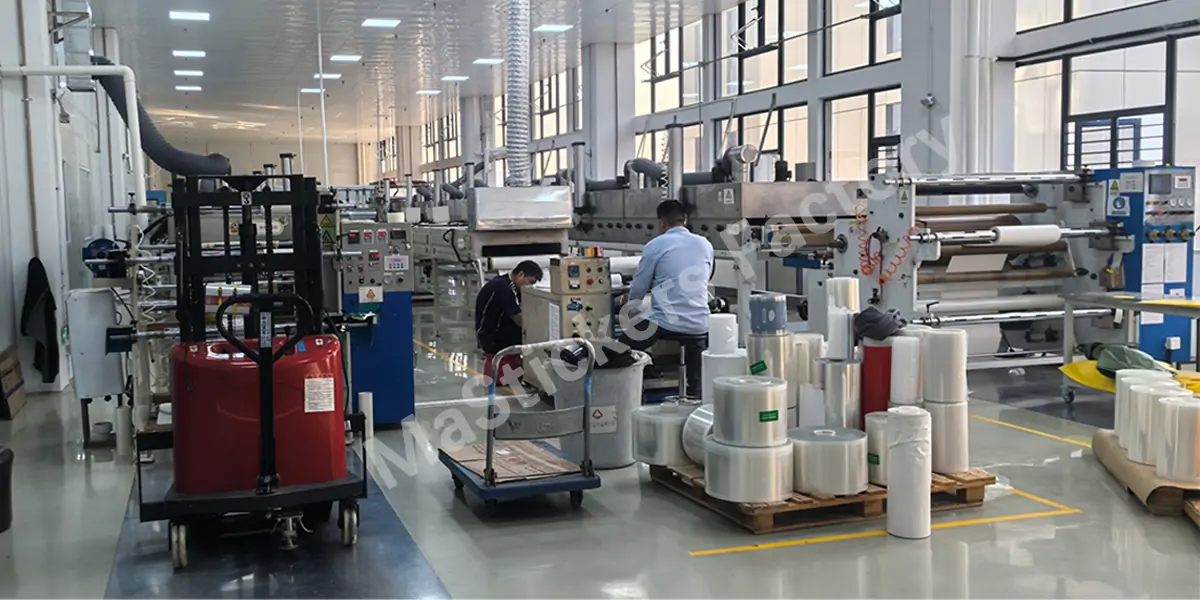
A top-tier sticker supplier should be a professional sticker manufacturer with in-house production facilities, not just a middleman outsourcing orders. In-house control over the entire production process (from material selection and printing to finishing and cutting) ensures strict quality control, consistent product standards, and shorter lead times.
Avoid suppliers that outsource production entirely, as they often lack quality oversight, leading to inconsistent results and delayed deliveries.
The quality of materials directly impacts sticker durability, appearance, and performance. A reputable supplier will offer a curated selection of high-quality substrates, adhesives, and inks tailored to your specific application.
A reliable supplier will provide material test reports (e.g., SGS certification for heavy metal compliance) and sample swatches for you to evaluate durability and performance firsthand.
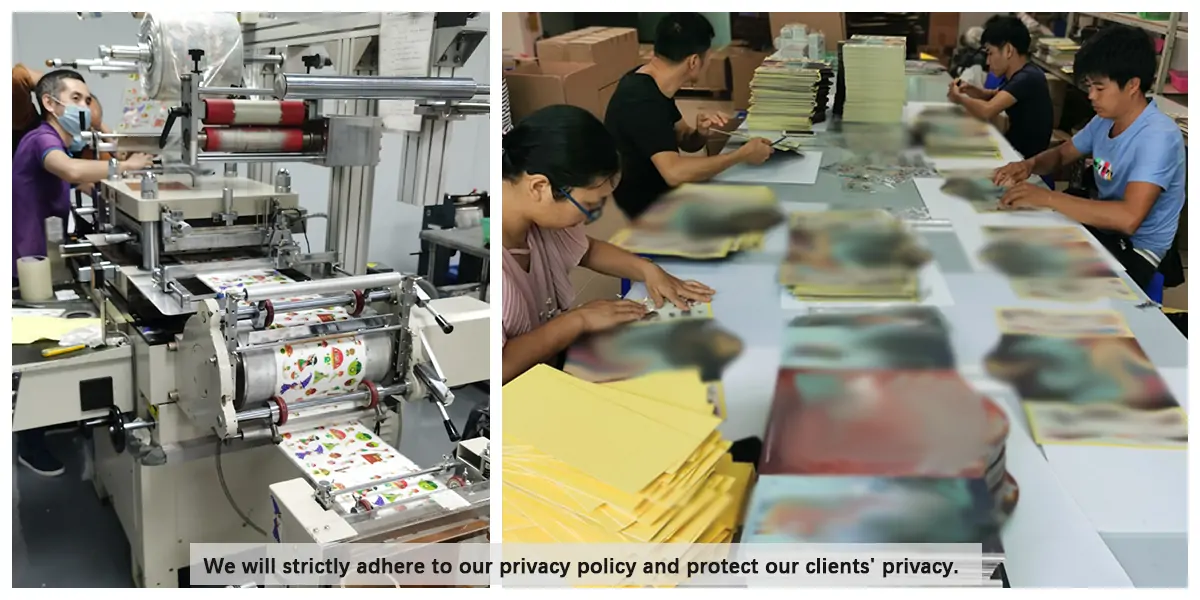
Print quality is non-negotiable, as blurry, pixelated, or off-color stickers damage your brand image. A professional sticker manufacturer adheres to strict print quality standards to ensure crisp, clear, and accurate results.
Always request physical samples of both digital proofs and finished products to verify print quality and color accuracy before placing a bulk order.
Every business has unique branding and functional requirements, so a great sticker supplier offers end-to-end customization and flexibility to meet your specific needs.
A supplier that prioritizes customization will listen to your requirements, offer expert recommendations, and adapt their processes to deliver stickers that align perfectly with your brand vision.
Quality control (QC) and regulatory compliance are hallmarks of a trustworthy sticker supplier. A reputable manufacturer implements multi-stage QC processes and adheres to international industry standards to ensure every product meets safety and quality requirements.
Certifications as Indicators:
While certifications alone do not guarantee quality, they provide verifiable third-party validation of certain operational standards:
Fake or expired certifications exist in the market. Buyers should verify certificate numbers with issuing agencies and check that the scope of certification applies to the products they intend to purchase.
Suppliers that prioritize QC and compliance minimize the risk of defective products, returns, and regulatory issues, protecting your brand reputation and investment.
While cost is a key consideration, extremely low prices often signal quality compromises (e.g., low-grade materials, minimal QC, or outsourced production). A reliable sticker supplier offers transparent, competitive pricing that balances quality, service, and affordability, with no hidden fees.
When comparing quotes, prioritize total value over just unit price—considering quality, durability, customization, and reliability—to avoid costly reorders or brand damage from low-quality stickers.
Timely delivery is critical to meeting your business deadlines, whether for product launches, marketing campaigns, or inventory restocking. A dependable sticker supplier provides realistic, consistent lead times and efficient logistics to ensure on-time delivery.
A supplier that consistently meets lead times and handles logistics efficiently minimizes disruptions to your business operations.
Effective communication and support are essential for a seamless ordering process, especially for complex custom projects. A top sticker supplier offers responsive, knowledgeable customer service and technical support to address your questions, resolve issues, and ensure a positive experience.
A supplier that prioritizes customer service ensures a smooth, stress-free ordering process and becomes a trusted long-term partner for your sticker needs.
Selecting the right sticker supplier is a strategic decision that impacts your brand image, product quality, and business efficiency. By prioritizing in-house manufacturing expertise, premium material quality, precision print quality, customization flexibility, strict QC and compliance, transparent pricing, reliable lead times, and responsive customer service, you can partner with a supplier that delivers consistent, high-quality custom stickers aligned with your brand and business goals.
At MaStickers (Xinyin), we are a custom sticker manufacturer specializing in high-quality custom stickers and labels for global businesses. With over years of in-house production experience, advanced printing technologies, strict ISO-compliant quality control, and a commitment to customer satisfaction, we deliver tailored sticker solutions that combine quality, durability, and affordability. Contact us today to request a free quote and sample pack, and discover why businesses worldwide trust us as their reliable sticker supplier.
 You May Also Like
No 410, Laoyi Village, Niuhu Community, Guanlan Street, Longhua District, Shenzhen City

MaStickers
Custom Stickers Manufacturer

No 410, Laoyi Village, Niuhu Community, Guanlan Street, Longhua District, Shenzhen City
Product
Get in touch and find out how we canmake your next shipment easier.


Copyright © 2026 Shenzhen Xinyin Environment Rubber Product Co., Ltd



 Home
Home