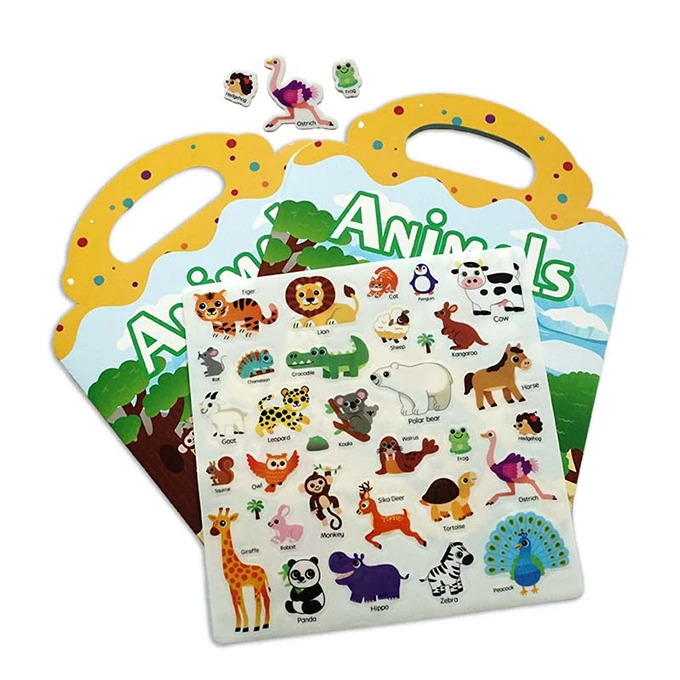
Custom Stickers Factory for Your Brand – Guides, Materials & Customization Hacks

Custom Stickers Factory for Your Brand – Guides, Materials & Customization Hacks
 Xinyin
 May 29,2026

Stickers come in many shapes, sizes, and materials. And the printing method used to produce them has a direct impact on their quality, durability, cost, and turnaround time. Whether you are a small business owner launching a new product, a marketing professional planning a seasonal campaign, or a brand manager sourcing custom stickers for packaging, understanding the available printing technologies will help you make an informed decision.
Professional sticker manufacturers rely on five core techniques: Digital Printing (UV inkjet or Toner), Flexography (Flexo), Offset Lithography, Screen Printing, and Hybrid Printing. Each serves distinct applications based on volume, substrate, and performance requirements. Let's examine how they work, where they excel, and where they fall short. Below is a clear, industry-backed breakdown to help you choose wisely.
Digital printing is currently the most common method for custom sticker production, particularly for short to medium runs. The process prints directly from a digital file onto the sticker material without the need for plates, using either UV-LED inkjet technology or electrophotographic (toner) systems. Ideal for intricate designs, full-color graphics, and variable data (QR codes, serial numbers).
UV inkjet printers spray microscopic droplets of UV-curable ink onto the substrate, where high-intensity UV-LED lamps instantly cure the ink upon contact. Toner-based digital printers use heat and pressure to bond dry toner particles to the material surface. Neither requires plate making or complex prepress tooling.
Screen printing delivers unmatched ink thickness and durability. It produces thick, vibrant ink layers with unmatched durability, making it perfect for high-wear outdoor applications.
Screen printing (silk screening) is a traditional method pushing ink through a mesh stencil onto materials. A stencil (screen) is created for each color in the design. Ink is pushed through the screen mesh onto the substrate using a squeegee, depositing a heavy, opaque ink layer. Each color requires a separate screen and pass. Each color requires a separate screen, making it ideal for bold, graphic designs.
Screen printing's heavy ink film (10–40 microns in a single hit) resists abrasion, UV fading, and weather exposure better than any other method. When clients ask for glow-in-the-dark stickers for night visibility, screen printing with phosphorescent pigments and a protective overlaminate is a reliable route.
Slow production; limited color count (1–4 colors typical); high setup for multi-color designs.
Best for: Bumper stickers, outdoor window decals, industrial labels, fabric stickers, brand stickers requiring tactile texture.
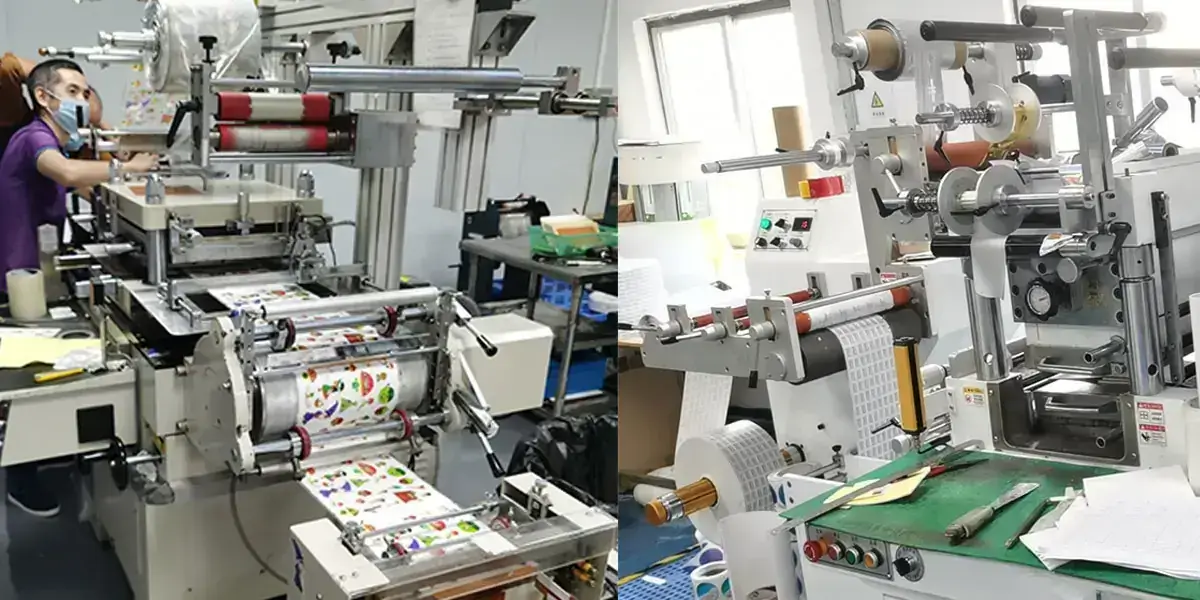
Flexographic printing (often shortened to "flexo") is the industry's high-volume workhorse. It is widely used for consumer packaged goods labels, food packaging, and large-scale sticker runs. And flexography is a modern, fast technique using flexible rubber/resin plates and water-based/UV-cured inks. It dominates mass production (5,000+ units) of stickers and labels, especially for roll-to-roll manufacturing.
Flexo uses photopolymer plates wrapped around cylinders. Ink is metered onto the plates via anilox rolls (engraved rollers that control ink transfer) then applied to the substrate under pressure. Flexographic lines can integrate inline finishing such as varnishing, cold foil, laminating, and die-cutting.
Flexo's run-length economics favor large volumes. Setup demands 45–90 minutes, but once dialed in, throughput is high. Flexo waste can be 1–2% on long runs after stabilization, though setup itself consumes a noticeable amount of material.
Offset printing (offset) is a traditional technique ideal for high-volume sticker production runs (10,000+ units). This method uses metal plates to transfer ink to a rubber blanket, which then applies the design to the sticker material. Offset printing remains relevant for specific sticker applications, particularly paper-based pressure-sensitive labels where large volumes and precise Pantone color matching are required, delivering photographic-quality prints with precise color matching (ΔE < 2.0).
Offset lithography transfers ink from a plate to a rubber blanket, then to the substrate. It excels at high-resolution halftones, smooth gradients, and consistent color across long runs.
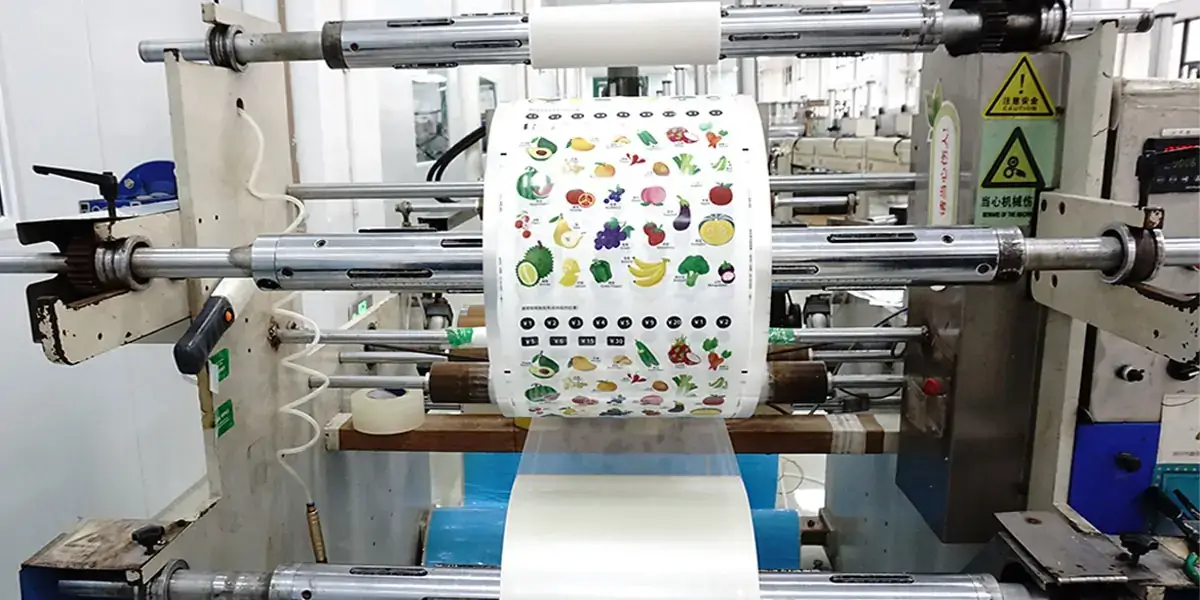
Hybrid printing combines digital and flexo/offset technologies in one line, solving the limitations of single methods. Digital units handle variable data/short runs, while flexo units apply opaque white bases, spot colors, or protective varnishes.
Foil stamping uses heated dies to transfer metallic foil onto sticker materials, creating luxurious, eye-catching effects. This technique is often combined with other printing methods to add premium accents.
These techniques create raised (embossed) or recessed (debossed) textures on sticker surfaces, adding tactile dimension to designs. Ideal for high-end branding and security labels.
UV printing uses ultraviolet light to cure ink instantly, resulting in vibrant, durable prints with excellent scratch resistance. This method is particularly effective on non-porous materials like vinyl and plastic.
Select based on order quantity, design complexity, application, and budget:
| Printing Method | Best Quantity |
Design Fit |
Durability |
| Digital |
1–5,000 |
Full-color, intricate, variable data |
Good (indoor/outdoor with lamination) |
| Flexo |
5,000+ |
Simple graphics, solid colors |
Excellent (outdoor, high-wear) |
| Offset |
10,000+ |
High-resolution, fine text |
Very good (premium indoor/outdoor) |
| Screen |
100–5,000 |
Bold colors, outdoor use |
Exceptional (extreme weather) |
| Hybrid |
Mixed runs |
Variable data + special finishes |
Excellent (custom premium) |
When selecting a printing method for your custom sticker project, consider these key factors:
Misconception 1: Digital printing colors are less accurate than traditional printing. On well-calibrated systems with proper ICC profiling and G7 alignment, digital printing can achieve ΔE values of 2–4 on most substrates, which meets brand color requirements for the majority of applications.
Misconception 2: Screen printing cannot produce fine detail. High-mesh screens (305–355 mesh) can reproduce detailed graphics effectively, though the process is less suited for photographic gradients than digital or offset.
Misconception 3: Flexo is always cheaper for any run above 5,000 pieces. Break-even points vary widely based on number of ink colors, plate costs, substrate type, and finishing requirements. Always request a cost comparison for your specific artwork.
Misconception 4: Offset printing is obsolete for stickers. While its share has declined in narrow-web label applications, offset remains relevant for large-volume paper-based stickers requiring precise Pantone matching.
There is no single "best" printing method for stickers. Digital printing is ideal for short runs, multi-version work, and variable data applications. Screen printing delivers unmatched durability and special effects for outdoor and industrial use. Flexographic printing excels at high-volume, stable runs with integrated finishing. Offset printing remains a reliable choice for large-volume paper-based labels with precise spot color requirements.
Before placing an order, request a sample pack. Evaluate color accuracy, adhesion, ink opacity, and durability under your expected use conditions. Confirm the substrate type, adhesive specification (permanent, removable, or repositionable), and finishing requirements (lamination, die-cutting, varnish) with your print provider.
For brands just starting, digital offers low-risk entry with no minimum order quantity and fast turnaround. As volumes stabilize, migrating to screen or flexo for core SKUs can reduce unit costs. The right path matches print technology to end-use. Digital for campaigns and sampling, screen for rugged outdoor applications, and flexo or offset for steady, high-volume production.
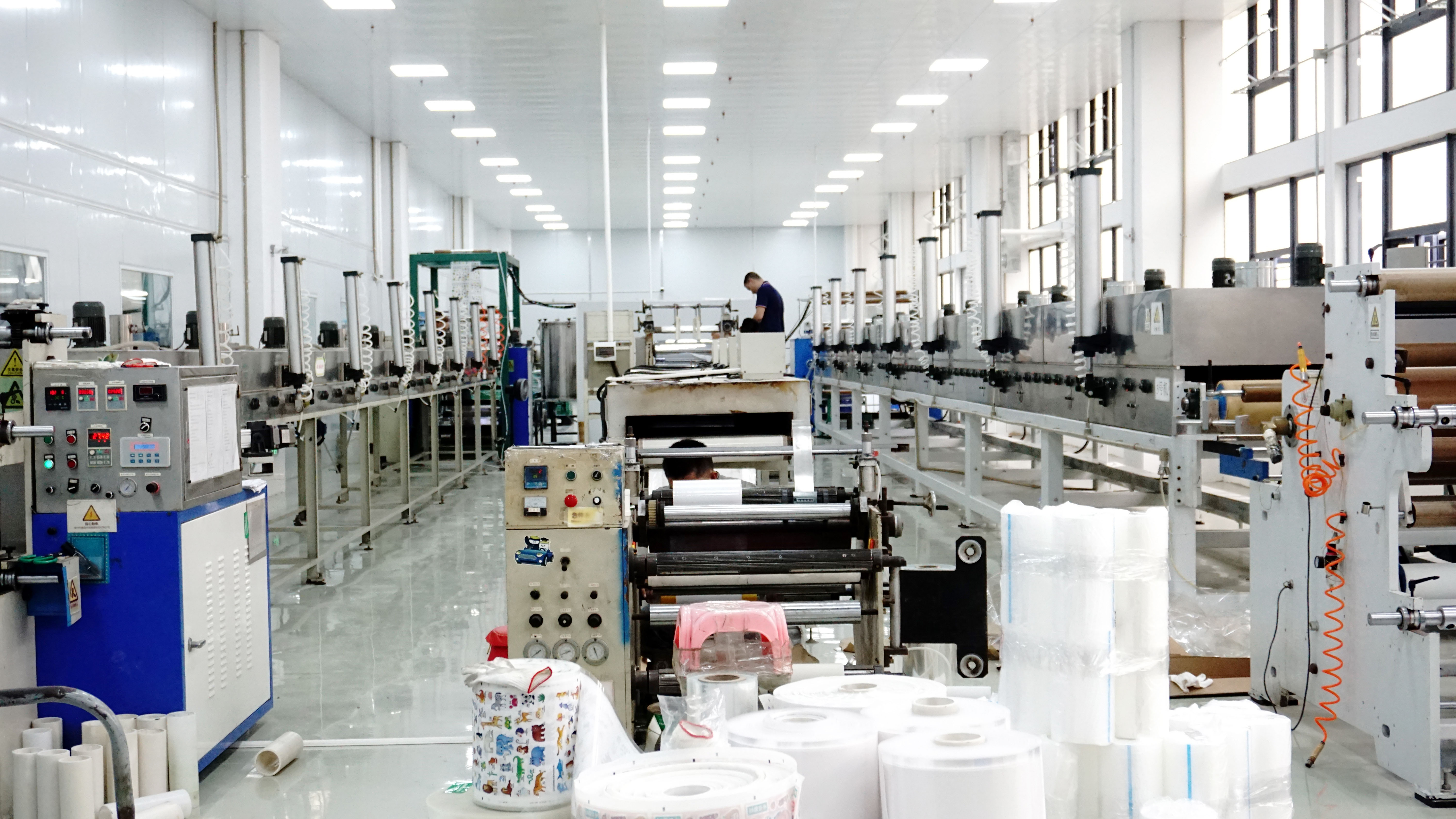
Understanding sticker printing methods ensures you get the right balance of quality, cost, and durability for your custom sticker orders. At our factory, we specialize in digital, flexo, and hybrid printing to meet diverse batch sizes. Need help selecting the best printing method for your next sticker project? Contact our team today for expert advice and a customized quote.
At MaStickers, we specialize in providing bulk personalized sticker solutions for businesses worldwide. Our state-of-the-art facilities support all major printing techniques, and our team of experts can help you select the optimal method for your specific needs.
Whether you need custom safe silicone stickers for kids or branded vinyl stickers for marketing campaigns, we deliver consistent quality, competitive pricing, and exceptional customer service.
 You May Also Like
No 410, Laoyi Village, Niuhu Community, Guanlan Street, Longhua District, Shenzhen City

MaStickers
Custom Stickers Manufacturer

No 410, Laoyi Village, Niuhu Community, Guanlan Street, Longhua District, Shenzhen City
Product
Get in touch and find out how we canmake your next shipment easier.


Copyright © 2026 Shenzhen Xinyin Environment Rubber Product Co., Ltd



 Home
Home