Custom Stickers Factory for Your Brand – Guides, Materials & Customization Hacks

Custom Stickers Factory for Your Brand – Guides, Materials & Customization Hacks
 Xinyin
 May 26,2026

If you've ever shopped for durable stickers, you've likely come across the terms "waterproof" and "weatherproof." While these terms are sometimes used interchangeably, they describe different performance characteristics. Understanding their core differences is critical to selecting the right durable stickers for your application, avoiding premature fading, peeling, or adhesive failure.
This guide breaks down the key differences, material properties, industry standards, and use cases so you can make an informed decision for your business.
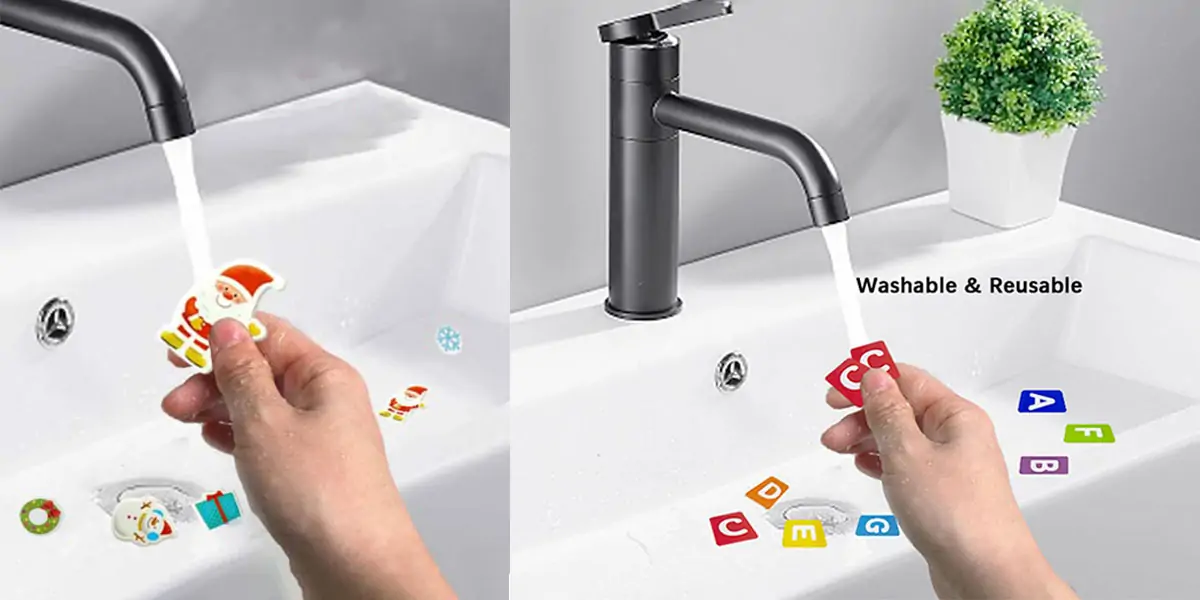
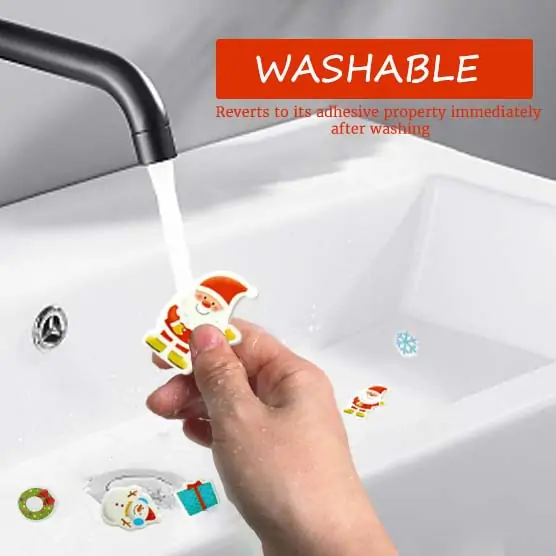
Waterproof stickers are designed to resist water immersion and moisture without smudging, peeling, or deteriorating. Every component of a waterproof sticker (from the adhesive to the top coat) is engineered to withstand prolonged contact with water. True waterproof stickers can survive dishwasher cycles, submersion, and continuous exposure to moisture.
Waterproof stickers are engineered to resist damage from direct contact with water. They're designed to:
Withstand submersion: Many can be fully immersed in water (e.g., dishwashers, pools, or marine environments) without fading, peeling, or degrading.
Repel liquid: Water beads off the surface, preventing moisture from seeping into the adhesive or printing.
Resist chemicals: Waterproof materials often hold up against cleaning agents, oils, and solvents.
Weatherproof stickers, on the other hand, are built to handle a broader range of environmental hazards. While they typically offer water resistance as one feature, weatherproof stickers are specifically designed to endure UV radiation, extreme temperatures, wind, and general outdoor wear and tear. The key distinction is that a weatherproof sticker is not necessarily fully waterproof. Its water resistance can vary depending on the specific material and construction.
Weatherproof stickers go beyond water resistance—they're built to withstand a wide range of outdoor conditions, including:
UV rays: Sunlight can cause fading and brittling, but weatherproof stickers are treated with UV inhibitors to prevent discoloration.
Temperature extremes: They can handle hot summers, freezing winters, and rapid temperature changes without cracking or peeling.
Wind and rain: Weatherproof materials are often thicker and more durable than waterproof ones, making them resistant to tearing and abrasion.
Humidity: They won't warp or degrade in high-moisture environments, such as tropical climates or coastal areas.
The fundamental distinction lies in the scope of environmental protection:
Waterproof Stickers: Designed exclusively to resist moisture, splashes, and water exposure (e.g., hand washing, rain, brief submersion). Their primary function is to prevent water from penetrating the material or breaking down the adhesive. They do not guarantee resistance to UV rays, extreme temperatures, or other outdoor elements.
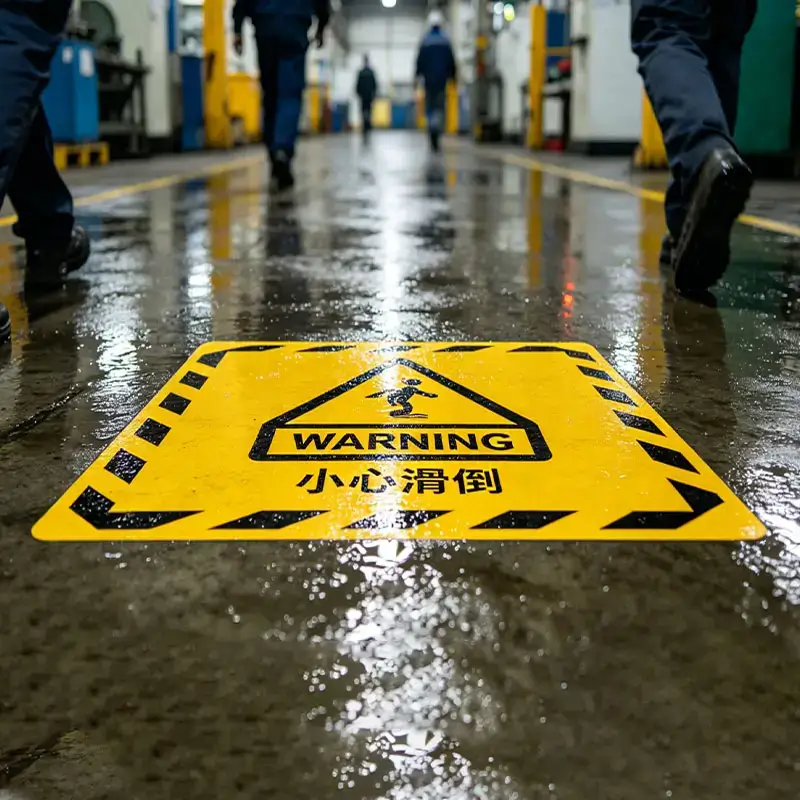
Weatherproof Stickers: A higher durability grade built to withstand all outdoor weather conditions. Including water, UV radiation, temperature fluctuations (-40°C to 150°C), wind, snow, and abrasion. They are essentially waterproof, UV-resistant and temperature-stable, engineered for long-term outdoor durability.
The performance gap stems directly from material selection and manufacturing processes:
2. Inks & Adhesives: Water-resistant inks (e.g., HP Durable Black) and standard acrylic adhesives to resist moisture breakdown.
3. Lamination: Optional basic gloss/matte laminate for mild water protection; unlaminated waterproof stickers risk ink smudging with prolonged water contact.
4. Certifications: May meet IP44 (splash resistance) or ISO 6425 (brief submersion) standards.
5. Real-World Applications
1. Base Materials:
2. Fade-resistant inks: UV-stabilized inks are used to print weatherproof stickers, ensuring the design remains vibrant for years.
3. Strong adhesives: Weatherproof stickers use high-tack adhesives that can adhere to rough or uneven surfaces, even in extreme conditions.
4. Inks & Adhesives: UV-cured inks (fade-resistant) and heavy-duty acrylic adhesives (e.g., 3M 9671) that maintain bonding in extreme temperatures.
5. Lamination: Mandatory UV-protective laminate (gloss/matte) to block UV rays, prevent fading, and add scratch resistance—critical for outdoor longevity.
6. Certifications: Compliant with ASTM D4329 (UV exposure), BS 5609 (marine immersion, 90-day saltwater resistance), and UL 969 (industrial durability).
7. Real-World Applications
Now that we've defined each type of sticker, let's compare them side by side:
| Feature |
Waterproof Stickers |
Weatherproof Stickers |
| Water resistance |
Excellent (full immersion) |
Varies—can range from good to excellent |
| UV resistance |
Low unless laminated |
High |
| Temperature tolerance |
Moderate |
Extreme (−40°C to +150°C for some materials) |
| Abrasion resistance |
Limited |
Typically superior |
| Best for |
Indoor/liquid exposure (water bottles, bath products, beverages) |
Outdoor/harsh environments (machinery, automotive, marine) |
| Cost |
Moderate to high |
Higher |
Waterproof stickers excel at moisture resistance for products like beverage bottles and personal care items, while weatherproof labels are essential for outdoor durability in equipment and automotive applications. Weatherproof labels generally require more robust construction (abrasion-resistant materials, UV-stable inks, and permanent adhesives) which contributes to their higher cost.
When deciding between waterproof and weatherproof stickers, consider the following factors:
The right choice depends entirely on your specific application and performance requirements.
Choose waterproof stickers if:
Choose weatherproof stickers if:
A note on combined performance: Some high-quality weatherproof stickers also offer excellent water resistance when constructed with vinyl or polyester and proper lamination. Conversely, waterproof stickers can be made weather-resistant by adding UV-stable overlaminates. The most durable outdoor stickers typically combine premium vinyl material, UV-cured or UV-stable inks, and a protective laminate overlay.
Waterproof Stickers: Best for Indoor & Light Moisture Environments
Weatherproof Stickers: Best for Long-Term Outdoor Applications
No matter which type of sticker you choose, following these tips will help ensure it stays in good condition for years:
In short, all weatherproof stickers are waterproof, but not all waterproof stickers are weatherproof. Waterproof stickers are cost-effective for indoor and light moisture use, while weatherproof stickers are the gold standard for long-term outdoor durability, offering unbeatable resistance to UV rays, extreme temperatures, and harsh elements.
Waterproof stickers are ideal for wet environments where moisture resistance is the primary concern. Weatherproof stickers are engineered for the more demanding set of outdoor conditions (sun, temperature extremes, wind, and general environmental exposure) but may not always offer full submersion protection.
For businesses that require both comprehensive water resistance and outdoor durability, premium vinyl or polyester stickers with UV-stable lamination and BS 5609 certification represent the highest standard of performance. As always, the best approach is to match the sticker specification directly to the environmental conditions it will face throughout its intended lifecycle.
This guide is provided for informational purposes. Actual sticker performance may vary depending on specific application conditions, substrate materials, and environmental factors. We recommend testing any label material in your actual use environment before committing to large-scale production.
As a professional bulk custom stickers manufacturer with strict quality control, we (MaStickers) provide both waterproof and weatherproof sticker solutions tailored to your application. Whether you need bulk waterproof stickers for beverage packaging or weatherproof decals for outdoor branding, we deliver compliant, durable, and high-quality stickers at competitive prices.
Need help selecting the right sticker type for your project? Contact our team today for expert recommendations and a free bulk quote.
 You May Also Like
No 410, Laoyi Village, Niuhu Community, Guanlan Street, Longhua District, Shenzhen City

MaStickers
Custom Stickers Manufacturer

No 410, Laoyi Village, Niuhu Community, Guanlan Street, Longhua District, Shenzhen City
Product
Get in touch and find out how we canmake your next shipment easier.


Copyright © 2026 Shenzhen Xinyin Environment Rubber Product Co., Ltd



 Home
Home