Custom Stickers Factory for Your Brand – Guides, Materials & Customization Hacks

Custom Stickers Factory for Your Brand – Guides, Materials & Customization Hacks
 Xinyin
 Sep 21,2026

For product teams sourcing custom stickers at scale, material selection is the single most consequential decision. A sticker may look simple, but its material affects much more than appearance. It can influence the sticker's flexibility, surface feel, durability, thickness, adhesive performance, production process, and overall brand presentation.
For OEM customers, when choosing among silicone, PVC, TPE, foam, epoxy resin and other adhesive materials, the decision should be based on actual application requirements rather than just the lowest unit price.
At MaStickers (Xinyin), we work with different sticker materials and specialty constructions for OEM and ODM projects. Our goal is to match the material and production method with the buyer's actual product requirements.
Before requesting a quotation from a custom sticker manufacturer, define the following requirements:
These factors can significantly change which material is appropriate. For example, a flat promotional sticker and a soft, tactile brand badge may both be called "custom stickers," but they can require completely different materials and manufacturing processes.
Custom silicone stickers are a strong option when the product needs a soft, flexible, or tactile surface. Silicone itself is known for flexibility, elasticity, water repellency, and resistance to weathering and temperature-related degradation. This makes silicone interesting for applications where the sticker needs to feel different from a conventional flat label.
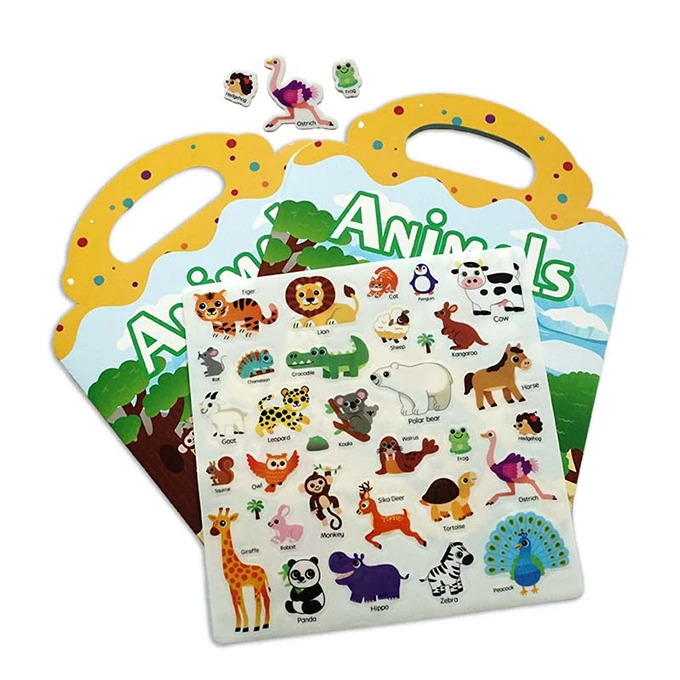
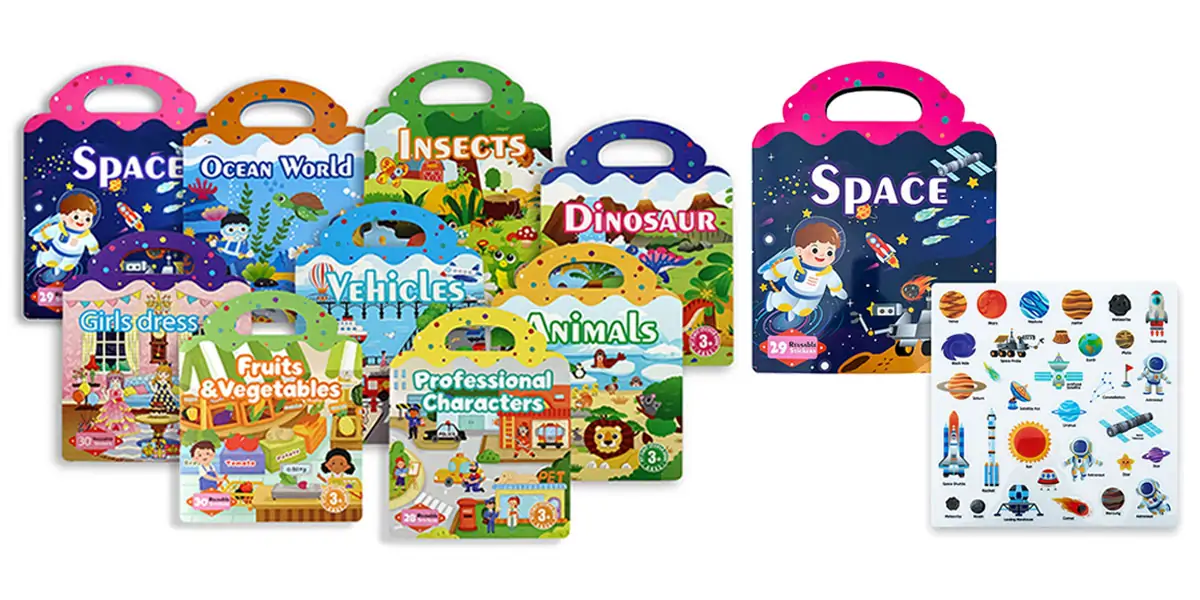
Silicone can also be used for more specialized products such as silicone jelly stickers and reusable silicone sticker books. If your priority is soft touch, flexibility, and a distinctive material experience, silicone is worth considering.
MaStickers currently offers custom silicone sticker solutions for OEM and ODM projects.
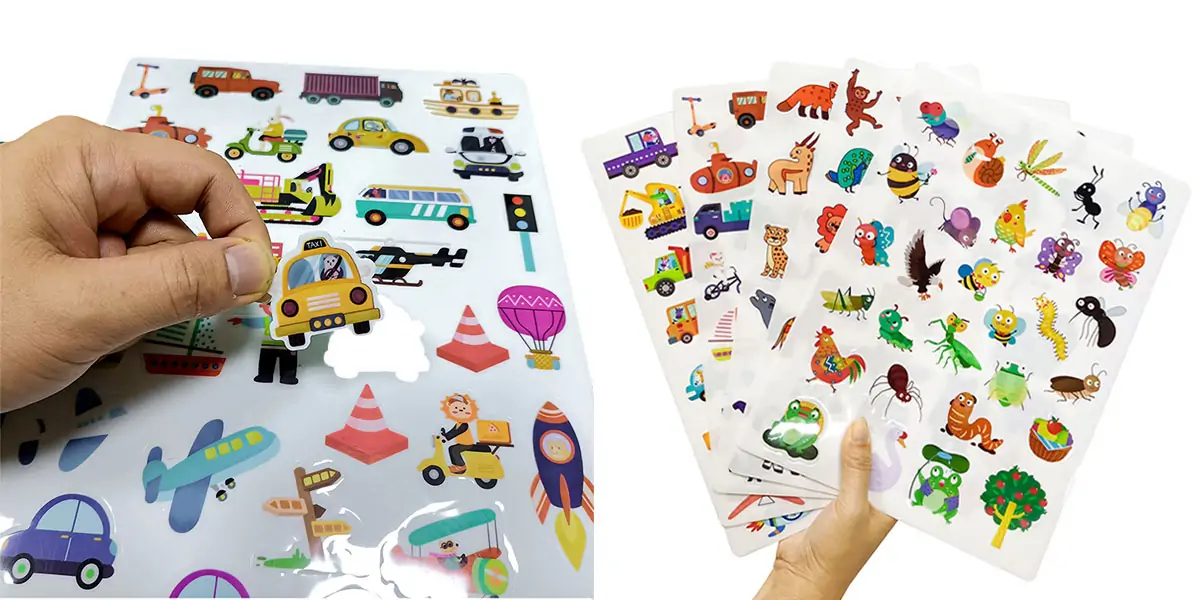
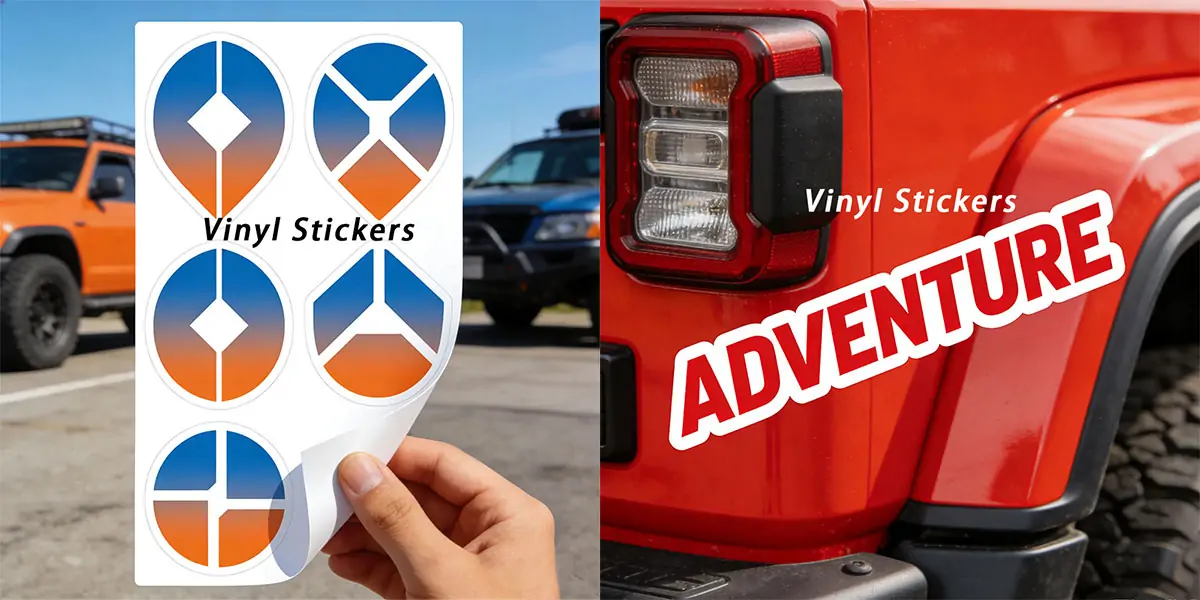
Vinyl is the most widely specified custom sticker material for good reason. It is waterproof, UV-resistant with lamination, and flexible enough to conform to curved and squeezable surfaces.
Best applications for factory sourcing: Outdoor product labeling, equipment decals, bottle and jar labels, automotive applications, and any surface with curvature or movement.
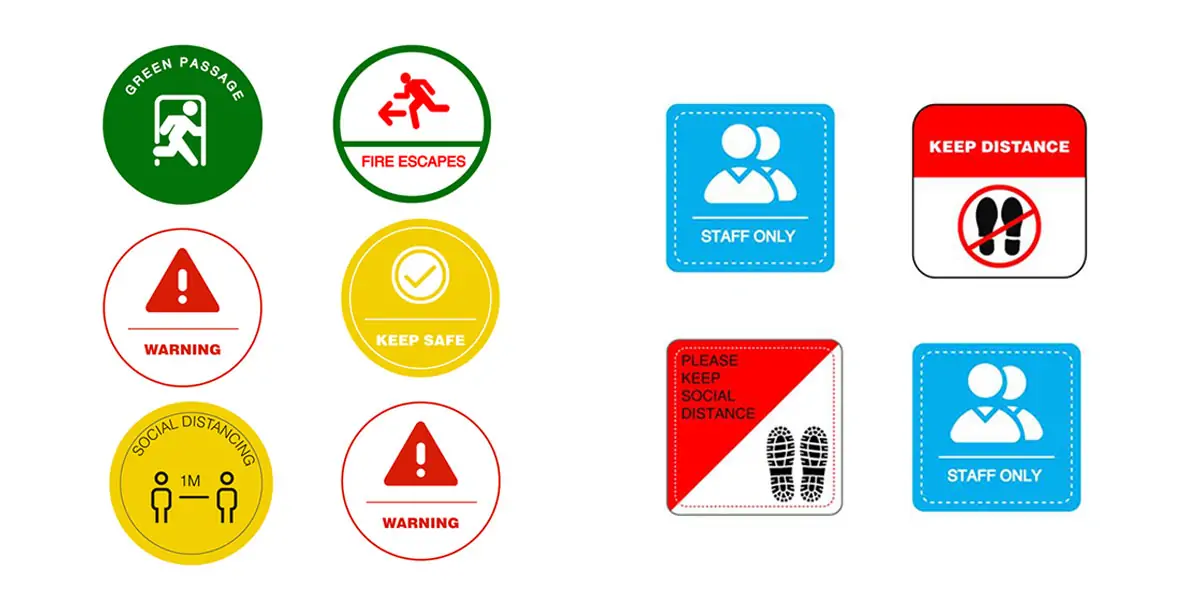
PVC and vinyl are widely used for conventional custom stickers and decals. The performance of a PVC sticker depends on the specific film construction, adhesive, coating, and intended application. PVC or vinyl can be a practical choice when the project mainly requires high-quality printed graphics without a specialized 3D or tactile structure.
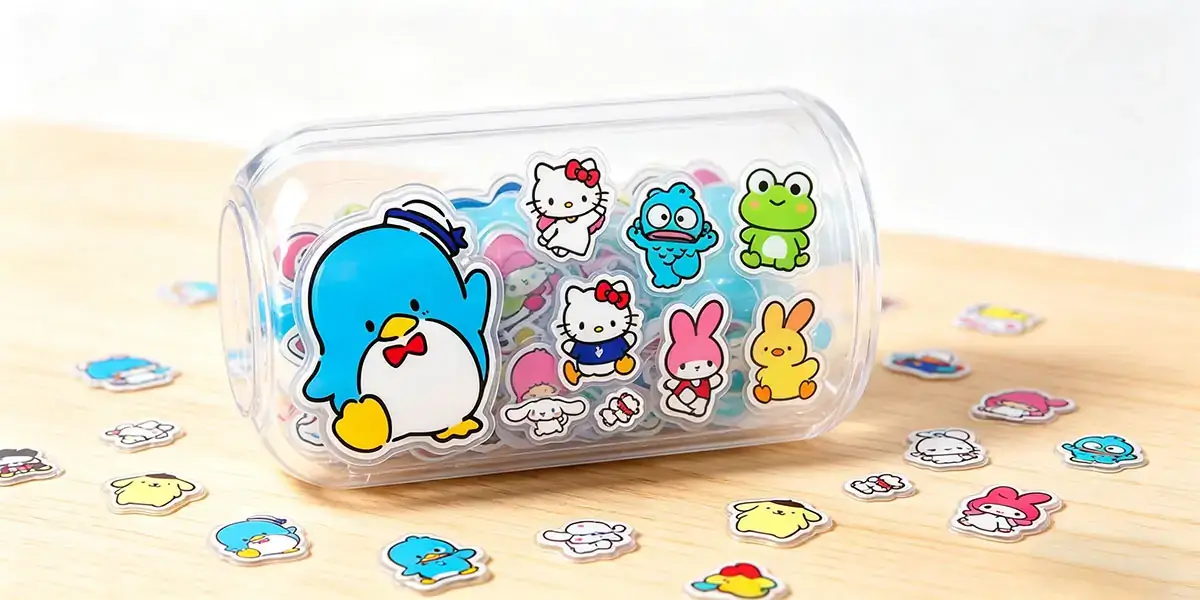
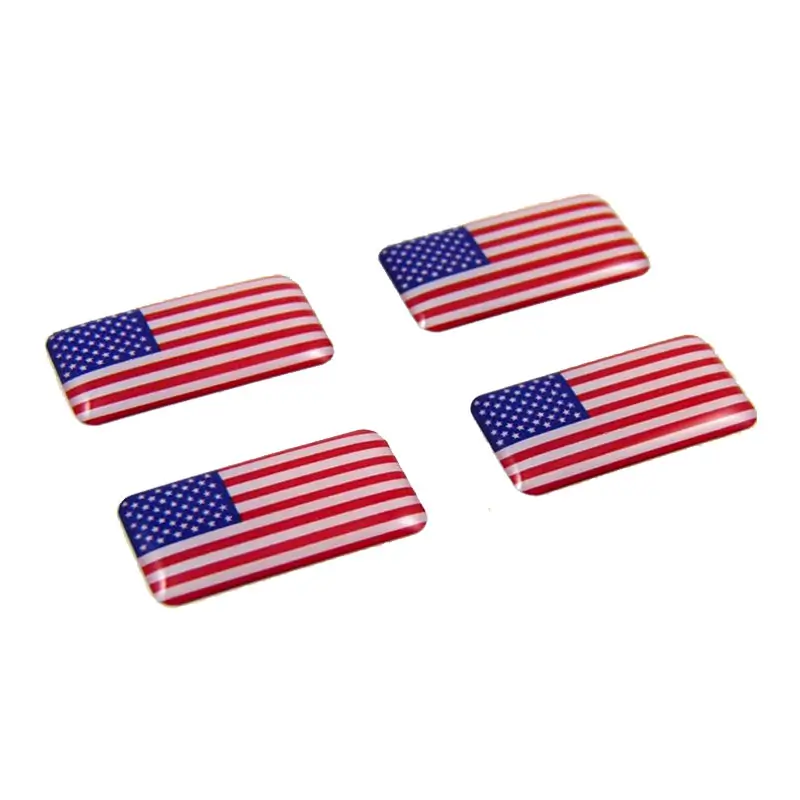
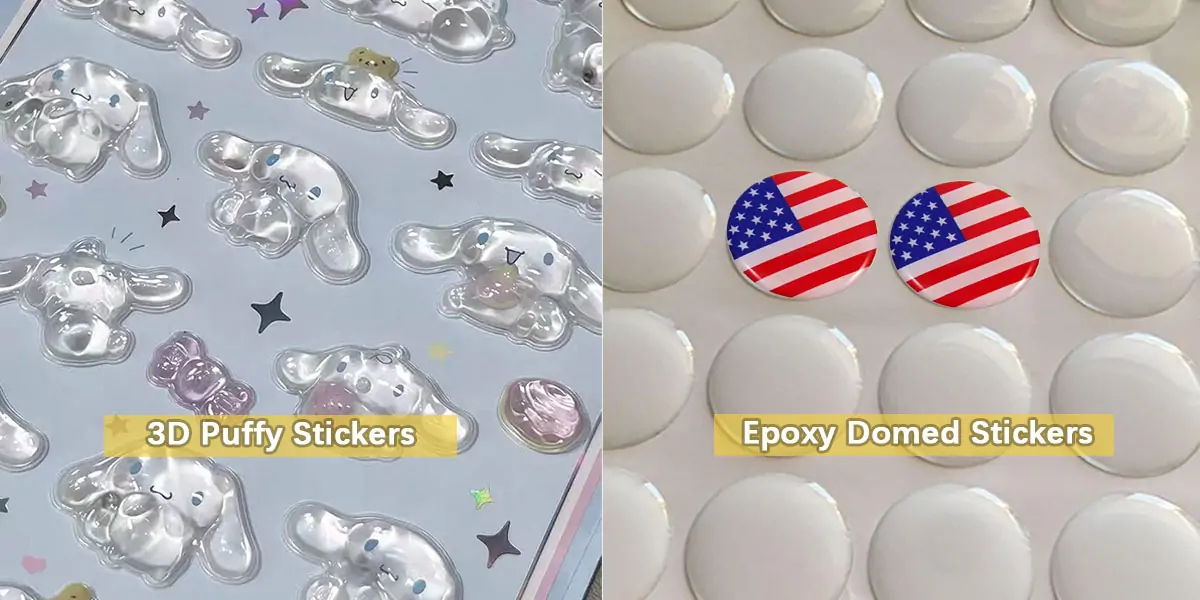
If the primary goal is a glossy, raised appearance, custom epoxy dome stickers are another option. An epoxy dome is created by applying resin over the printed design to form a raised surface. The result is a smooth, glossy, three-dimensional appearance that can make logos, icons, and product graphics visually stand out.
Epoxy dome stickers can provide a different 3D visual effect from silicone or foam stickers. The choice therefore depends on whether the brand wants a soft tactile surface, a foam profile, or a glossy resin dome.
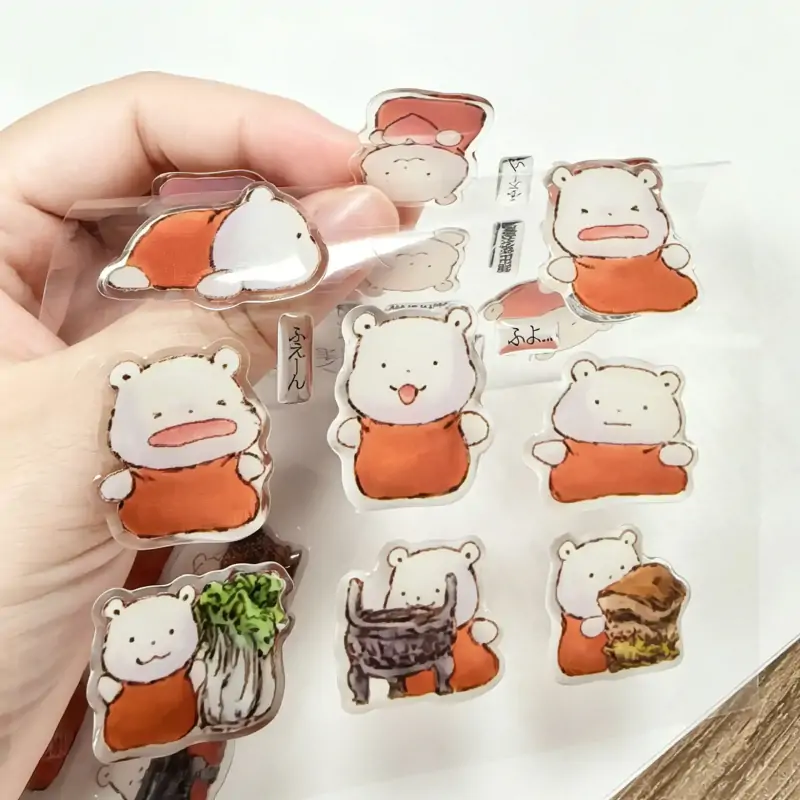
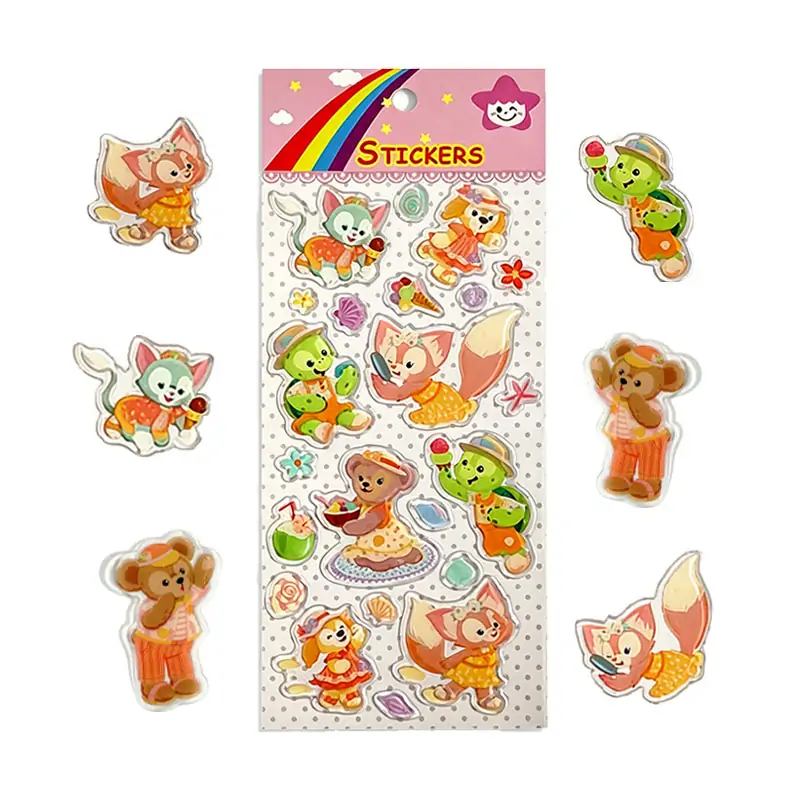
3D puffy stickers are designed to create a raised, dimensional appearance. 3D puffy bubble stickers are filled with transparent epoxy resin or polyurethane inside the pre-formed 3D structure, which creates the raised, glossy and dimensional effect.
The important point is that "3D sticker" is a broad category. Different products can achieve dimensional effects through different constructions and processes. For OEM buyers, it is better to describe the required effect clearly rather than simply requesting a "3D sticker."
MaStickers offers custom 3D puffy and embossed sticker solutions for OEM projects.
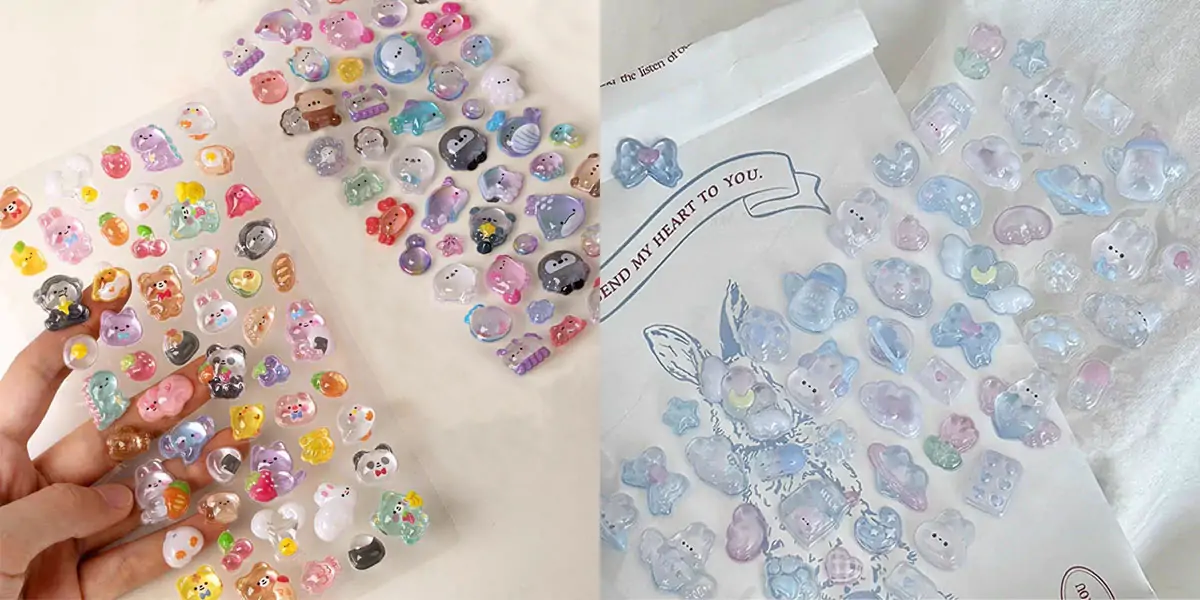
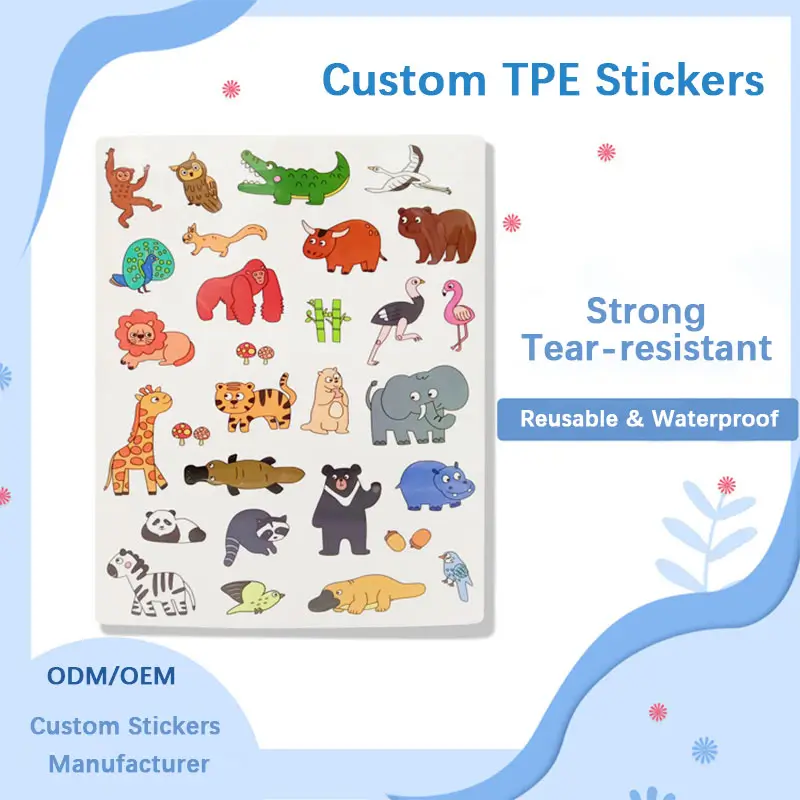
TPE, or thermoplastic elastomer, is another material used for specialty stickers. Its appeal comes from its rubber-like flexibility combined with thermoplastic processing characteristics.
For projects that require a flexible and tactile sticker but have different material or processing requirements from silicone, TPE stickers may be worth evaluating.
However, material selection should be based on the specific formulation and intended application rather than assuming that all TPE materials have identical properties.
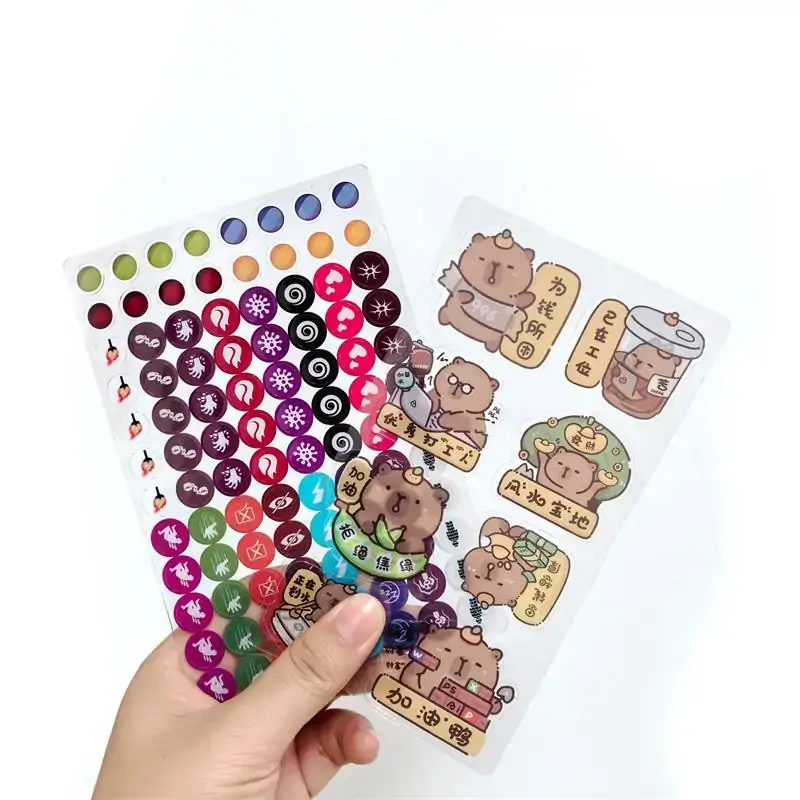
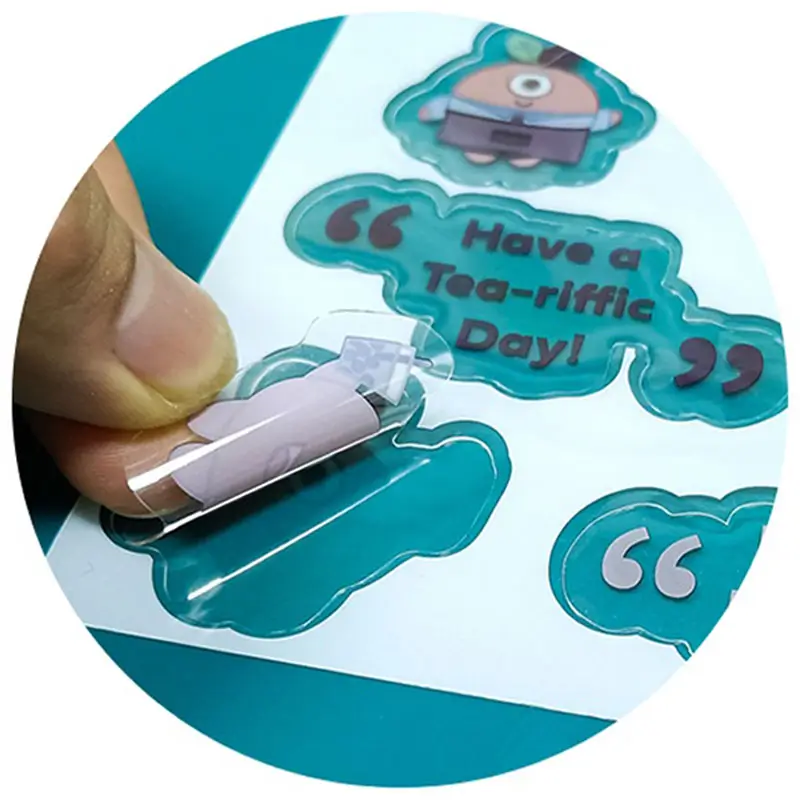
EVA foam stickers provide a different appearance and tactile experience from flat film stickers. The foam structure creates a thicker, softer profile, making EVA suitable for applications where dimensionality and a lightweight feel are important.
For MaStickers' current product specifications, EVA foam stickers use EVA foaming material, with a standard thickness of 2 mm.
EVA foam is especially useful when the goal is to create a visibly thicker sticker rather than a conventional flat label.
However, the exact properties of foam stickers depend on the formulation, density, structure, printing, and processing conditions. Buyers should evaluate physical samples before mass production.
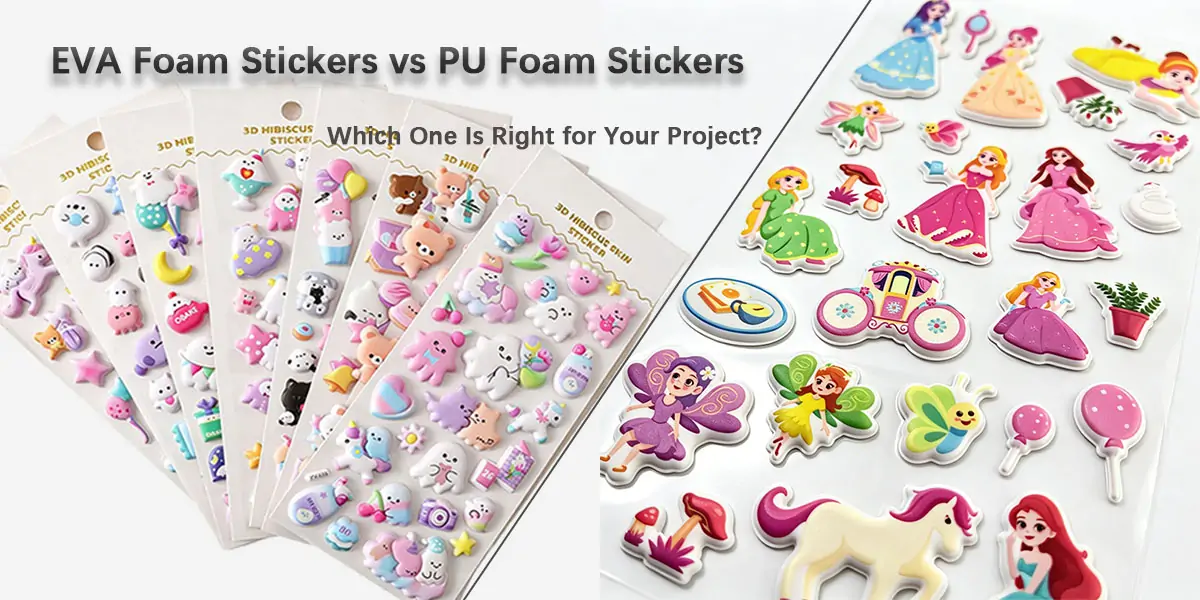
PU foam stickers provide another approach to dimensional foam stickers.
At MaStickers, PU foam stickers use PU foaming material with a standard thickness of 1 mm. Compared with the standard 2 mm EVA foam option, the thinner PU construction can provide a lower-profile appearance while retaining a soft foam character.
Polyurethane foam can be formulated with different physical characteristics depending on the formulation and manufacturing process.
For projects where a thinner foam profile and low-odor characteristics are important, PU foam may be worth comparing with EVA.
The following table provides a practical starting point for material selection:
| Material |
Main Characteristic |
Typical Strength |
| Silicone |
Soft, flexible, tactile |
Flexibility and sensory feel |
| PVC / Vinyl |
Versatile printed film |
Balanced performance and cost |
| TPE |
Rubber-like flexibility |
Flexible tactile construction |
| EVA Foam |
Thick and lightweight |
Dimensional foam profile |
| PU Foam |
Thin and soft foam |
Lower-profile tactile effect |
| Epoxy Resin |
Glossy raised dome |
Visual depth and premium finish |
| Polyurethane |
3D Raised dimensional structure |
Visual and tactile impact |
This table should be treated as a starting point rather than a universal specification. Material performance can vary according to formulation, thickness, adhesive, surface treatment, and manufacturing process.
Rather than asking, "Which kind of sticker material is the best?", it would be better to ask, "Which material is most suitable for my specific application?"
Don't choose the material before defining the application. One common mistake in custom sticker sourcing is choosing the material first and explaining the application later.
The better approach is the opposite. Start with:
For example, a sticker applied to a smooth product package may have completely different requirements from one attached to a flexible accessory.
Similarly, a sticker intended for frequent handling may require different surface and adhesive considerations from a decorative sticker used once on packaging. This is why an experienced custom sticker manufacturer should evaluate the complete application before finalizing the material specification.
Choosing the sticker material is only part of the process. The adhesive also needs to match the application. A sticker can have an excellent face material but still perform poorly if the adhesive is unsuitable for the substrate. For OEM projects, provide your manufacturer with information about the surface where the sticker will be applied.
Material selection is only half the equation. The adhesive system determines whether the sticker stays where it is applied or removes cleanly when required.
Permanent adhesives build a high final bond within hours and cannot be removed without damaging the label or leaving residue. They are the default for product labels, outdoor decals, and any application where tamper evidence or long-term adhesion is required.
Removable adhesives hold reliably yet peel off cleanly even after months. They bond more strongly the longer they are left in place, so removal becomes more difficult over time. Specify removable adhesive for returnable containers, shelf labels, and promotional stickers intended for temporary use.
Repositionable adhesives allow the sticker to be lifted and reapplied without loss of bond strength. This is a niche category relevant to products where the end-user may need to adjust placement. Such as planner stickers or decorative decals.
For factory procurement, the critical question is: will the end-user ever need to remove this sticker? If yes, specify removable. If no, permanent is the safer and more durable choice.
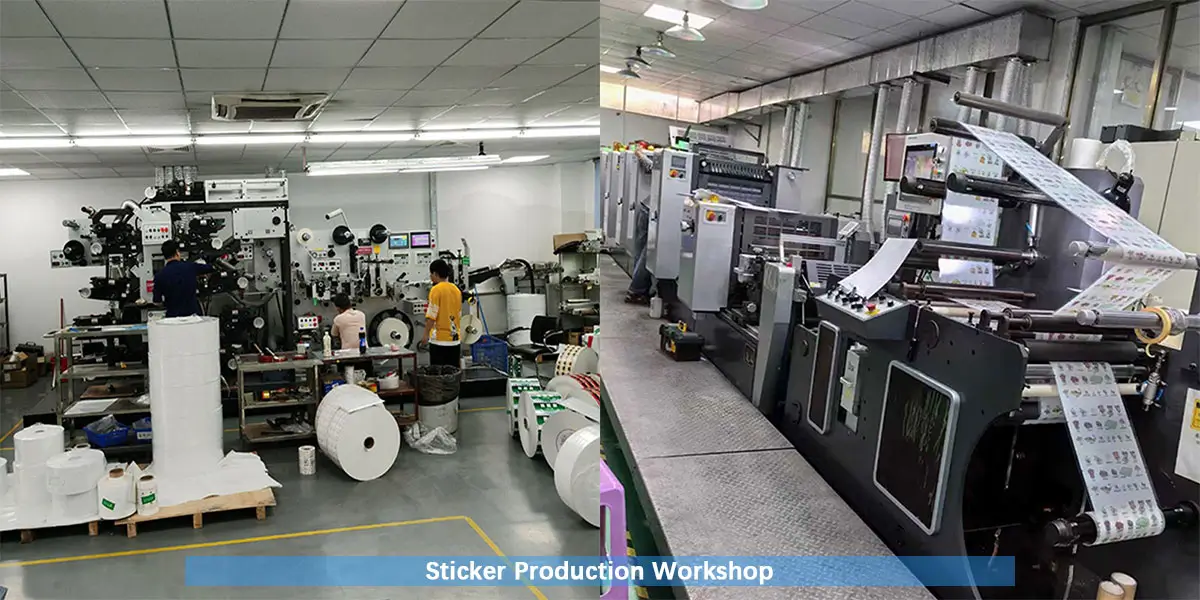
As a professional sticker manufacturer focusing on global B2B customization, MaStickers provides OEM and ODM custom sticker manufacturing across multiple material categories, including silicone, PVC, TPE, foam, epoxy, and specialty 3D stickers.
We support personalized customization of size, finish, adhesive type, and printing technology for all products, strictly follow international production standards, and guarantee material authenticity and performance stability. The factory also provides material selection and certification consulting as part of its customized service offering.
Whether you need bulk indoor packaging stickers, waterproof outdoor custom stickers, high-end transparent labels, or eco-friendly biodegradable stickers, our factory can tailor the most cost-effective material scheme according to your product attributes, usage environment, and brand needs, helping your products stand out in the global market.
There is no universal best sticker material. The right choice depends on the product, surface, environment, design, tactile requirements, production volume, and target market.
The most reliable approach is to define the application first, compare suitable materials, produce physical samples, and approve the final construction before mass production.
If you are developing custom stickers for a brand, product, packaging line, or promotional program, share your artwork, application, preferred material, size, quantity, and performance requirements with MaStickers. Our team can evaluate the project and recommend a suitable OEM/ODM sticker construction.
Ready to choose your perfect sticker material? Contact mastickers today for a free consultation and sample pack.
 You May Also Like
No 410, Laoyi Village, Niuhu Community, Guanlan Street, Longhua District, Shenzhen City

MaStickers
Custom Stickers Manufacturer

No 410, Laoyi Village, Niuhu Community, Guanlan Street, Longhua District, Shenzhen City
Product
Get in touch and find out how we canmake your next shipment easier.


Copyright © 2026 Shenzhen Xinyin Environment Rubber Product Co., Ltd



 Home
Home