Custom Stickers Factory for Your Brand – Guides, Materials & Customization Hacks

Custom Stickers Factory for Your Brand – Guides, Materials & Customization Hacks
 Xinyin
 Apr 21,2026

Stickers are everywhere, on laptops, product packaging, water bottles, car windows, and even industrial equipment. But not all stickers are made the same.
Custom stickers are indispensable for branding, product labeling, promotional activities, and personal customization. The material you choose determines how long the sticker lasts, where it can be used, how it looks, and how much it costs.
With so many options available, from budget-friendly paper to heavy-duty industrial films, it's critical to match the material to your specific use case. As a professional custom sticker manufacturer, we often receive questions from customers: "What are the common materials for custom stickers?" and "Which material is suitable for my project?" Below, we break down 9 of the most widely used sticker materials, along with their key properties, ideal applications, and limitations.
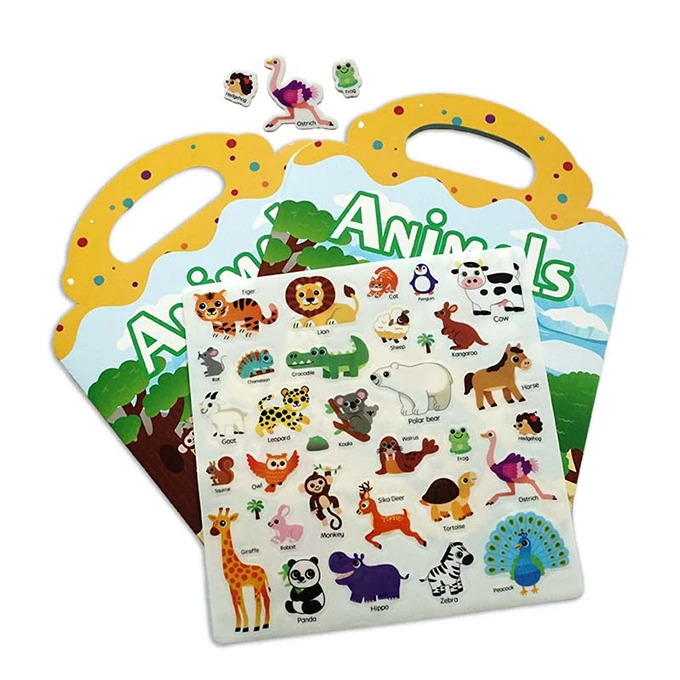
Silicone stickers, also known as custom silicone jelly stickers, are made of food-grade or industrial-grade silicone material, featuring a soft, elastic, and jelly-like texture. They have become increasingly popular in recent years due to their unique tactile feel, reusability, and wide range of application scenarios, especially for personal customization and children's products.
Made of non-toxic, food-grade silicone (safe for skin and contact with food).
100% waterproof and moisture-proof, able to withstand long-term contact with water (such as water bottles, bathroom surfaces) without damage.
Reusable and repositionable, can be peeled off and stuck repeatedly without leaving adhesive residue.
Temperature-resistant, able to withstand a wide range of temperatures (-40°C to 200°C), suitable for both low-temperature and high-temperature environments.
Available in transparent, semi-transparent, or colored variants, with matte or glossy finishes, and can be made into 3D raised styles for a more tactile experience.
Pros: Skin-friendly and non-irritating, safe for children and sensitive skin; reusable, reducing waste and cost for long-term use; strong waterproof performance, suitable for wet environments; soft and flexible, can fit curved or uneven surfaces (such as phone cases, water bottles, toys) perfectly; non-toxic and odorless, can be used for food-related labels or children’s products; easy to clean, can be washed with water and reused multiple times.
Cons: Higher cost than vinyl or paper stickers; printability is slightly inferior to vinyl, not suitable for fine and complex pattern printing; the soft texture is prone to dust adsorption, requiring regular cleaning; not scratch-resistant, the surface may be scratched by sharp objects; long-term exposure to strong direct sunlight may cause slight color fading.
Ideal Applications:
Custom silicone jelly stickers for personalization (phone cases, laptops, notebooks, water bottles).
Children's toys and stationery stickers (safe and non-toxic).
Kitchen and bathroom stickers (waterproof and moisture-proof).
Decorative stickers for home appliances.
Medical-grade applications (bandage holders, sensor stickers for fitness trackers) due to skin-friendly properties.
Promotional gifts and brand customization for eco-conscious brands.
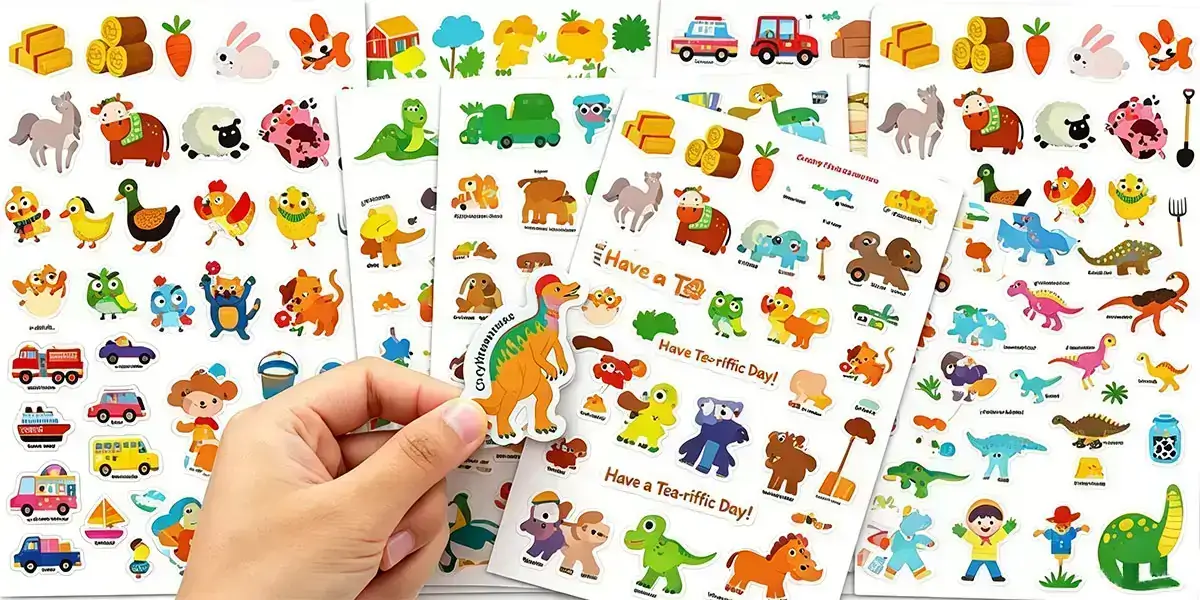
Vinyl (Polyvinyl Chloride, PVC) is the most popular and widely used material for custom vinyl stickers, known as the "all-rounder" in the sticker industry. It is the first choice for most customers who pursue durability and versatility. Vinyl stickers make up approximately 47% of the global custom sticker market.
Ideal Applications: Outdoor custom stickers, car decals, window graphics, laptop/phone stickers, water bottle labels, industrial product labels, and long-term promotional stickers.
Paper is the most economical and traditional material for custom paper stickers, suitable for short-term indoor use where durability is not the primary requirement. It is widely used in low-cost, large-batch promotional scenarios.
Indoor promotional stickers, packaging seals, gift box inserts, short-term event stickers (weddings, conferences), bakery/food labels (dry indoor use only), shipping labels, and internal office use.
Polyethylene Terephthalate (PET) is a rigid, high-performance plastic film, known for its exceptional stability and resistance. Polyester (PET) stickers represent the highest tier of durability among synthetic sticker materials. It is the preferred material for industrial custom stickers and harsh environment applications.
Extreme durability, suitable for high-temperature or low-temperature environments; chemical-resistant, able to resist oils, solvents, and cleaning agents; rigid and dimensionally stable, not easy to stretch or warp; high clarity, offering glass-like transparency; scratch-resistant, maintaining a smooth surface even after frequent contact.
Pros: Best performance in harsh environments, suitable for long-term use in industrial scenarios; superior scratch resistance and color fastness; non-toxic and odorless, can be used for food and electronic product labels.
Durability expectation: Polyester stickers are among the most robust options, maintaining performance even when exposed to strong chemicals, extreme temperatures, and prolonged outdoor conditions.
Cons: Premium pricing, more expensive than vinyl and BOPP; rigid texture, not easy to fit curved surfaces, suitable for flat surfaces.
Ideal Applications: Industrial equipment and machinery labels, electronic component labels, high-temperature product labeling, security/warranty void labels, and food packaging labels (high-temperature sterilization requirements).
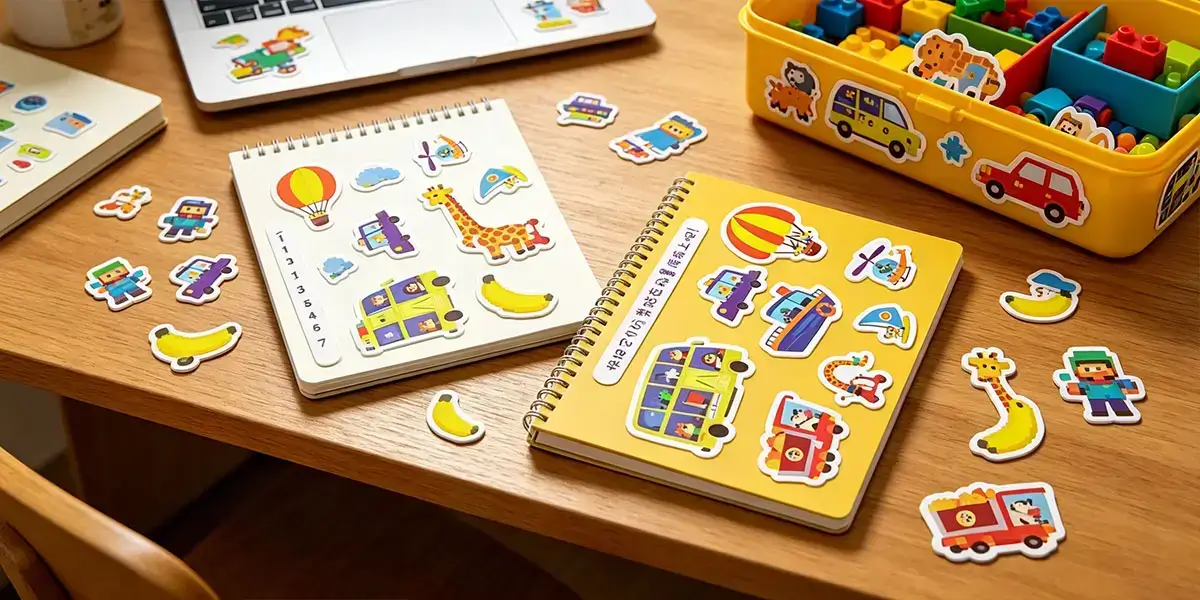
BOPP stands for Biaxially Oriented Polypropylene. It is a plastic film that has been stretched in two directions to improve its strength and stability. Also known as "synthetic paper", which balances performance and cost. BOPP is a popular choice for product packaging labels, particularly in the food, beverage, and cosmetic industries. It is a popular choice forcustom product labels that require waterproofing but have limited budgets.
Waterproof and oil-resistant, able to resist moisture, grease, and common chemicals; tear-resistant, stronger and more flexible than paper; light and thin, thinner than vinyl; crystal-clear transparency, able to achieve a “no-label” look when used as clear stickers; good printability, suitable for full-color printing.
Pros: Better durability than paper at a mid-range price; perfect for clear product labels, showing the original color and texture of the product; resists tearing and smudging, suitable for scenarios with moderate contact.
Cons: Less durable than thick vinyl in extreme outdoor conditions (such as long-term direct sunlight and strong wind and rain); not as flexible as vinyl, not suitable for highly curved surfaces.
Ideal Applications: Product packaging labels (cosmetics, cleaning supplies), beverage bottle labels (splash-proof and durable), indoor/outdoor promotional stickers needing moderate durability, and food packaging labels (moisture-proof requirements).
Key Note: Complies with FDA regulations for direct food contact, making it a go-to material for jar labels, bottle stickers, and food packaging.
Kraft paper stickers are made from unbleached, natural paper fibers, featuring a natural brown texture. They offer an eco-friendly alternative to synthetic materials. And they are popular among eco-friendly custom stickers and retro-style branding scenarios.
Made of recycled materials, biodegradable and recyclable, in line with environmental protection concepts; natural retro texture, with a warm and simple visual effect; higher tear resistance than ordinary paper; can be printed with simple patterns or text, and uncoated kraft paper can be written on; some can be treated with a waterproof coating for short-term moisture resistance.
Pros: Eco-friendly, suitable for sustainable brands; unique retro style, enhancing the premium sense of products; low cost, suitable for large-batch customization; good tactile feel, suitable for handcrafted products and gift packaging.
Cons: Not waterproof (unless coated), prone to moisture absorption and softening; color reproduction is not as good as coated paper, suitable for simple color printing; not suitable for outdoor or high-humidity environments.
Ideal Applications: Retro-style product labels, handcrafted product stickers, gift box seals, eco-friendly brand promotions, and journal decorations.
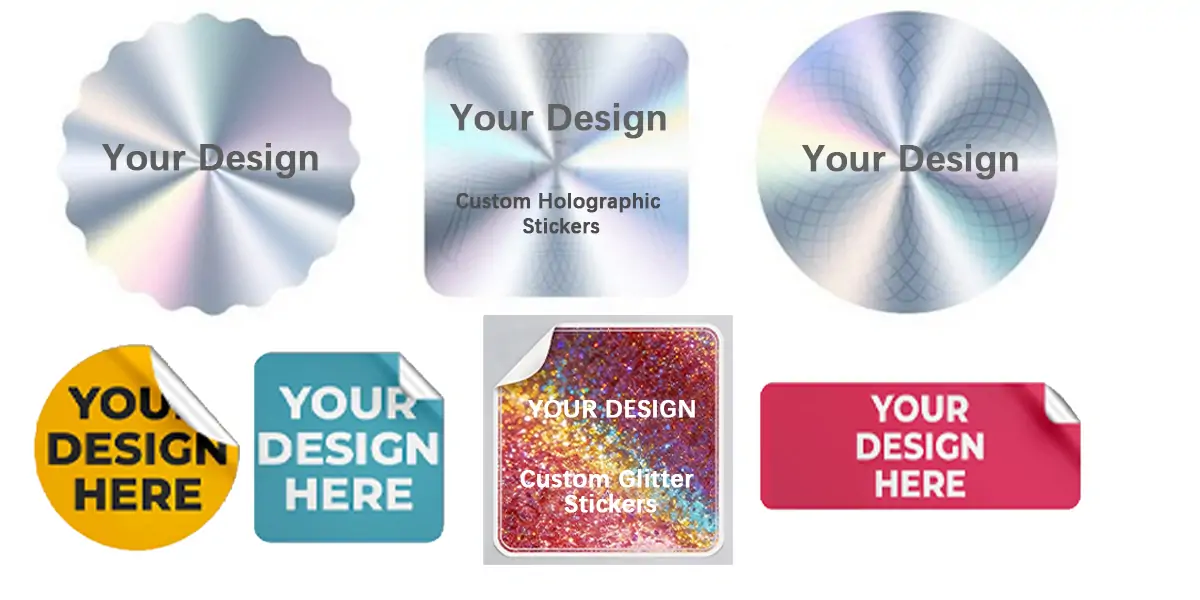
Holographic stickers are crafted from a specialized holographic vinyl material, featuring a prismatic, iridescent surface—typically composed of diffraction grating films or metallized polyester—that scatters light to create a shifting rainbow effect.
Simply put, holographic stickers utilize special films to generate iridescent colors or three-dimensional visual effects. They are widely employed in high-end custom sticker applications and branding initiatives to enhance visual appeal.
Unique rainbow or metallic luster, which changes color with the viewing angle, highly eye-catching; based on vinyl or PET substrate, with waterproof and scratch-resistant properties; available in various patterns (standard rainbow, cracked ice, glitter, dots/squares) for customization; premium texture, enhancing brand image.
Pros: Strong visual impact, able to make brands stand out in the market; durable, with the same performance as the base material (vinyl/PET); suitable for high-end branding and limited-edition promotions.
Cons: Higher cost than ordinary vinyl stickers; the holographic effect may reduce the readability of small text or fine patterns; not suitable for scenarios that require a simple and low-key style.
Ideal Applications: Luxury branding, limited-edition promotional stickers, security seals, gift stickers, and personal customization (laptop, phone, luggage stickers).
Static cling stickers are made of static cling vinyl, which adheres to surfaces through static electricity without any adhesive. This makes them fully repositionable and reusable without leaving residue. They are a practical choice for temporary custom stickers that require repeated use.
No adhesive, leaves no residue when removed; reusable, can be peeled off and reapplied multiple times; suitable for smooth, non-porous surfaces (glass, plastic, chrome, high-gloss painted surfaces); easy to apply and reposition with the help of a wetting solution; waterproof and tear-resistant, suitable for short-term outdoor use.
Pros: Reusable, reducing waste; no residue, protecting the surface of the attached object; easy to reposition, convenient for adjustment during application; suitable for temporary promotions and displays.
Cons: Only adheres to smooth, non-porous surfaces, poor adhesion to rough or porous surfaces; not durable for long-term outdoor use, easy to fall off in strong wind or rain. Limited color options compared to adhesive stickers.
Best applications: Temporary window displays, seasonal promotions, retail signage, and any application where frequent removal or repositioning is needed.
Metallic foil stickers are made from aluminum foil, gold foil, or silver foil as a base material, possessing a metallic luster and high-quality texture. They are ideal for high-end custom stickers that pursue a luxurious and sophisticated image. Metallic foil stickers are typically available in gold, silver, or copper colors. These stickers are usually made using heat embossing or special metallic foil materials.
Rich metallic luster (gold, silver, bronze, etc.), with a strong sense of luxury; high temperature resistance and corrosion resistance, suitable for long-term use; thin and smooth, able to fit flat surfaces well; can be combined with embossing, stamping and other processes to enhance the visual effect; waterproof and scratch-resistant when coated with a protective layer.
Pros: High-end texture, significantly improving the brand grade; strong metallic sense, eye-catching and memorable; good durability, suitable for high-end product labeling.
Cons: High cost, much more expensive than ordinary materials; not flexible, not suitable for curved surfaces; the metallic surface may scratch if not properly protected.
Ideal Applications: Luxury product packaging labels, high-end gift stickers, wine bottle labels, cosmetic packaging, and brand logo stickers that pursue a noble image.
In addition to the 9 common materials above, more special materials can be used for custom sticker production to meet niche and personalized customization needs, including glitter stickers, fragile paper stickers, thermal paper stickers, coated paper stickers, and acrylic stickers. These materials have unique properties and are widely used in specific scenarios, providing more choices for custom sticker projects.
Adhesive Type: Permanent adhesives form a strong, long-lasting bond and are the most common choice for custom stickers. Removable adhesives allow clean removal without residue, suitable for temporary promotions and window displays. High-tack adhesives provide extra bonding strength for rough or low-surface-energy materials.
Lamination: Adding a protective laminate layer significantly extends sticker lifespan and durability. Lamination is recommended for outdoor stickers, high-traffic areas, and any application requiring maximum protection. Both glossy and matte lamination options are available.
Surface Compatibility: The surface you are applying the sticker to matters as much as the sticker itself. Vinyl and polyester materials conform well to curved surfaces. Paper and rigid materials are best suited for flat surfaces.
Selecting the right material depends on your specific use case. Consider the following factors:
Environment: Indoor vs. outdoor, exposure to water, heat, or chemicals.
Durability requirements: Temporary vs. long-term use.
Surface type: Glass, plastic, metal, or paper.
Brand positioning: Budget-friendly vs. premium appearance.
Regulatory needs: Food-grade or industrial compliance.
By aligning the material's properties with your project's specific needs, you can ensure your custom stickers look great and perform as intended. Whether you're labeling products, promoting your brand, or creating eye-catching decals.
The nine materials covered in this guide represent the most commonly used options in the custom sticker industry today. Paper and kraft paper serve budget-conscious, indoor applications. Vinyl remains the most popular all-purpose choice for outdoor durability. BOPP offers a cost-effective middle ground for product packaging. Polyester provides premium durability for demanding environments. Clear, holographic, and foil materials meet specialized aesthetic needs. Static cling serves temporary, residue-free applications.
There is no one-size-fits-all solution when it comes to sticker materials. From cost-effective paper stickers to high-performance PET and vinyl options, each material serves a distinct purpose.
Understanding these 9 common sticker materials can help businesses make informed decisions, ensuring better performance, cost efficiency, and brand presentation.
If you're sourcing custom sticker solutions for industrial, packaging, or branding applications, working with an experienced manufacturer can help you select the most suitable material based on your specific requirements.
As a professional custom sticker manufacturer with years of production and export experience, we always adhere to objective and practical principles, providing customers with high-quality materials and customized solutions.
Whether you need custom vinyl stickers for outdoor promotions, eco-friendly kraft paper stickers for brand packaging, high-end holographic stickers for luxury branding, custom silicone jelly stickers for personalization and children's products, custom glitter stickers for decorative and promotional needs, or custom sequin, thermal paper, coated paper, or acrylic stickers for niche and special requirements, we can provide one-stop services from material selection to production and delivery.
If you are still unsure which material is suitable for your project, feel free to contact our team for a free consultation. We will recommend the most cost-effective material based on your specific needs and help you create perfect custom stickers.
 You May Also Like
No 410, Laoyi Village, Niuhu Community, Guanlan Street, Longhua District, Shenzhen City

MaStickers
Custom Stickers Manufacturer

No 410, Laoyi Village, Niuhu Community, Guanlan Street, Longhua District, Shenzhen City
Product
Get in touch and find out how we canmake your next shipment easier.


Copyright © 2026 Shenzhen Xinyin Environment Rubber Product Co., Ltd



 Home
Home