Custom Stickers Factory for Your Brand – Guides, Materials & Customization Hacks

Custom Stickers Factory for Your Brand – Guides, Materials & Customization Hacks
 Xinyin
 Aug 04,2026

The global personalized stickers market is forecasted to expand from USD 5.12 billion in 2026 to USD 8.45 billion by 2035, growing at a CAGR of 5.73%. When developing customized products, choosing the right sticker material is an important decision that affects appearance, durability, cost, and customer experience.
For brands, retailers, and product developers, two of the most popular options are silicone stickers and PVC stickers. With this surging demand, businesses across industries are increasingly faced with a critical decision: silicone stickers vs PVC stickers, which material is the right choice for their custom products?
Both materials are widely used for branding, packaging, promotional products, toys, electronics accessories, and consumer products. However, they have different characteristics and are suitable for different applications.
As an experienced ODM/OEM custom stickers manufacturer, MaStickers helps global customers select the right materials and develop customized sticker solutions, including custom silicone stickers, silicone sticker books, PVC stickers, 3D puffy stickers, EVA foam stickers, epoxy dome stickers, and other specialty stickers.
In this guide, we will compare silicone stickers and PVC stickers to help businesses make a better purchasing decision.
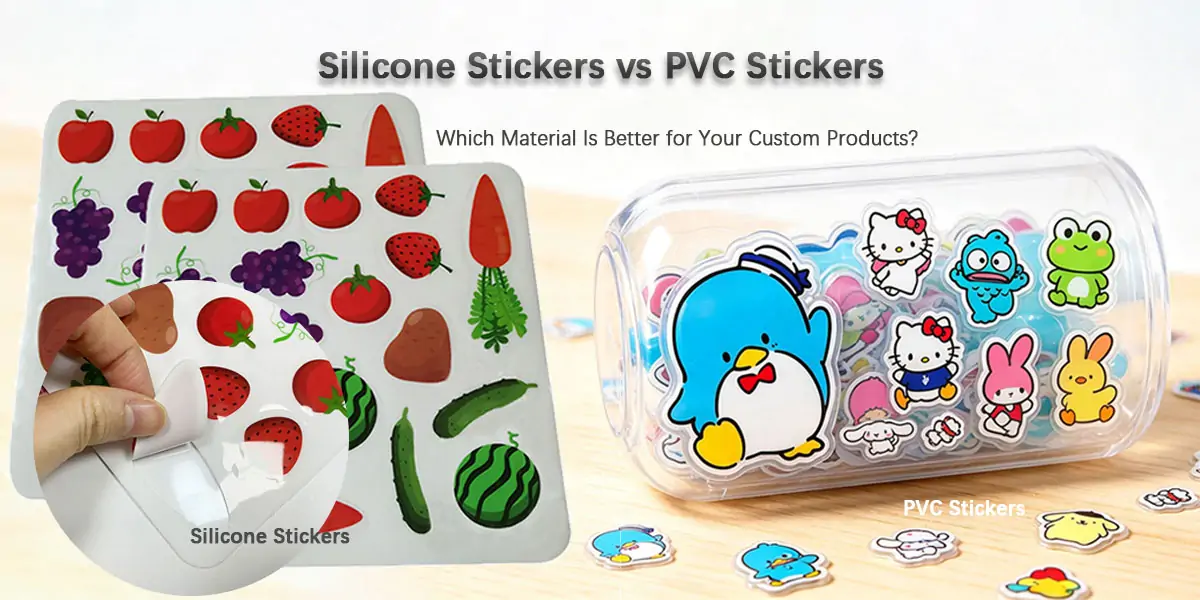
Silicone stickers are made from silicone, which is a polymer composed of siloxane, typically appearing as colorless, oil-like, or rubber-like substances. Silicone is a highly active adsorption material with excellent flexibility, elasticity, and weather resistance. Compared with traditional flat stickers, custom silicone stickers provide a unique tactile experience, making them popular for premium branding applications.
Custom silicone stickers are manufactured from platinum-cured silicone rubber via liquid injection molding. As a professional custom stickers supplier, MaStickers produces food-grade silicone stickers that comply with FDA and EN71 toy safety standards.
Silicone is non-toxic and harmless, containing no harmful substances such as phthalates (plasticizers). It complies with strict environmental standards including EU RoHS and FDA requirements, and is non-irritating to human skin. Making it particularly suitable for children's products, apparel, and items that come into direct contact with skin. Silicone materials typically meet ROHS certification and are environmentally friendly.
Silicone stickers maintain stable performance in environments ranging from -40°C to 200°C. So, they won't deform, crack, or harden due to temperature fluctuations. Silicone labels can withstand heat up to 200–250°C, compared to PVC's limit of just 45–50°C.
Silicone is highly resilient with excellent stretch and tear resistance, making it resistant to damage even with bending or squeezing. It resists fading, brittleness, and aging under long-term exposure to sunlight, rain, and UV rays, with a typical service life of several years. Silicone is also more tolerant of ultraviolet light and ozone, making it ideal for outdoor applications.
Silicone is soft, delicate, and smooth to the touch, with good elasticity and resilience. It fits tightly to fabrics without producing a stiff or abrupt feeling. Silicone can also achieve intricate patterns and textures through molding, creating a strong three-dimensional effect.
Silicone resists corrosion from water, oil, alcohol, and common acids and alkalis, and is easy to clean with water or alcohol.
Waterproof, stain-resistant, easy to clean without deformation.
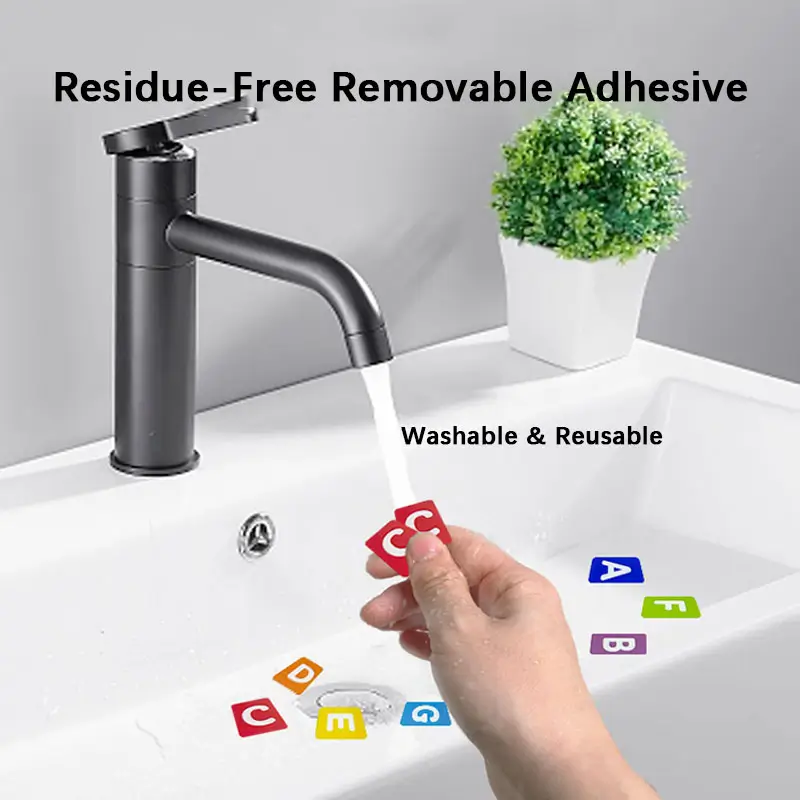

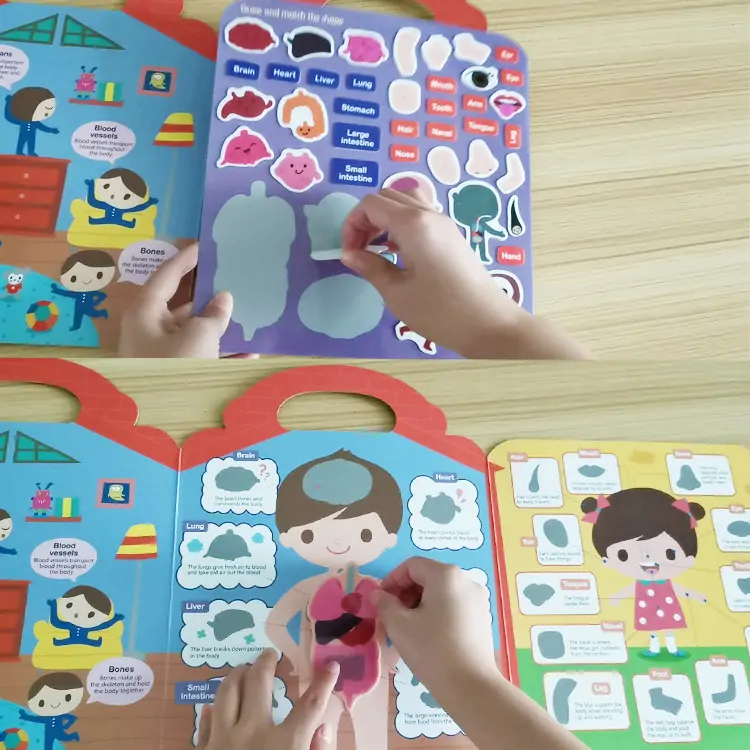
Baby product custom stickers, apparel silicone labels, outdoor gear stickers, reusable decorative custom logo stickers, food-contact accessories, premium 3D embossed custom stickers.
A professional silicone sticker manufacturer can customize silicone stickers in different:
PVC stickers are made from polyvinyl chloride (PVC), which is a common plastic material with high strength and flexibility. PVC is one of the most widely used sticker materials due to its durability, waterproofing, and vibrant color performance. Custom PVC stickers are made from polyvinyl chloride. Soft PVC is widely used for affordable 3D custom stickers through hot-press molding, and remains one of the most cost-effective options for bulk orders.
PVC is the most cost-effective sticker material option, with significantly lower production costs compared to silicone. PVC labels are cheaper to produce than silicone ones.
PVC stickers withstand rain and friction, making them ideal for outdoor or high-use scenarios. They offer excellent moisture resistance and can be flexible, solvent-resistant, abrasion-resistant, and available in various colors.
It supports intricate embossed patterns and rich color matching for custom designs.
PVC can be flexible and easy to apply to curved surfaces like cups or gift boxes.
As a mature material with decades of industry use, PVC is readily available in countless varieties and formulations.
Flexible production options. MaStickers, as an ODM/OEM custom stickers manufacturer, can adjust hardness and gloss finish according to client requirements.
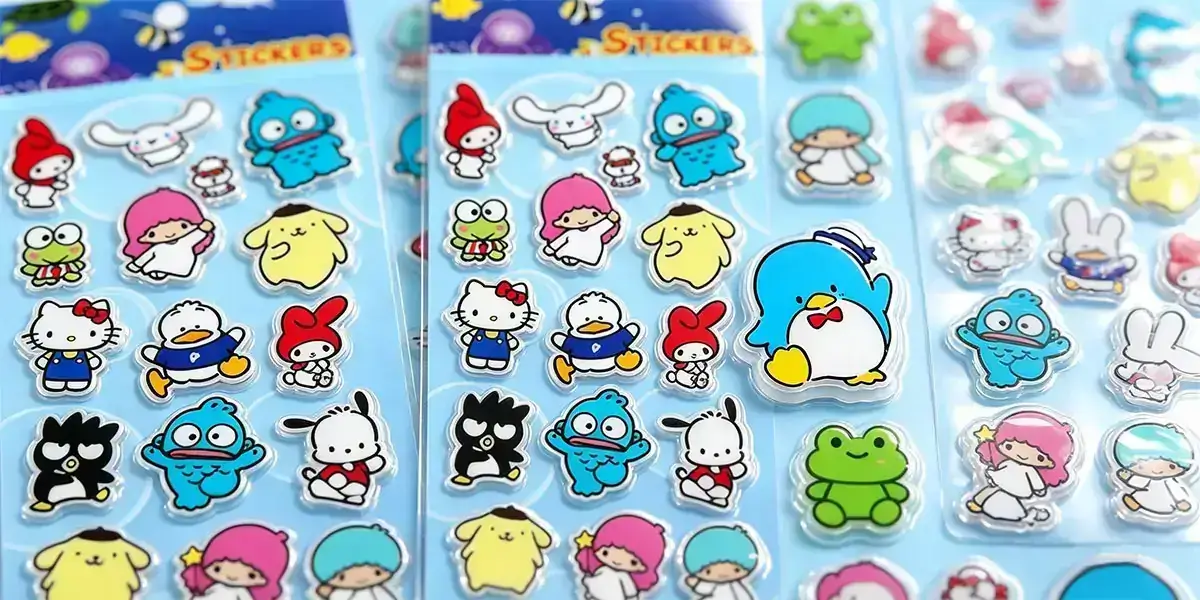
PVC materials often contain toxic additives such as plasticizers (phthalates) and anti-aging agents during production. These additives may pose potential harm to human health and the environment. When sent to landfill, PVC takes decades to break down and can leach toxic compounds (particularly phthalates) into the environment.
The U.S. EPA has determined that certain phthalates (DIDP, DINP) present unreasonable risks to human health. Some PVC stickers carry warnings about phthalate exposure. Low-cost PVC variants may contain plasticizers, making them unsuitable for children's products or food-related applications.
PVC has a narrow temperature resistance range (generally -15°C to 60°C), softening and deforming at high temperatures and hardening and cracking at low temperatures. Most PVC products should not be used long-term above 55°C.
PVC is prone to aging, fading, and even deformation when exposed to sunlight or high temperatures for long periods. After long UV exposure or high temperature, plasticizers volatilize, causing stickers to harden, turn yellow or develop surface stickiness.
Aged PVC stickers become hard and brittle, and cracks may form on their surfaces, reducing durability. PVC has poor thermal stability and light resistance, and can decompose and release hydrogen chloride gas at high temperatures.
PVC materials have poor degradability and a negative impact on environmental protection. PVC is made from fossil fuels, and fossil fuels are limited resources that take millions of years to form.
PVC is relatively stiff compared to silicone and less comfortable to the touch. When worn for long periods or in contact with skin, it may cause discomfort.
Indoor promotional gifts, stationery decorative stickers, event giveaway custom logo stickers, short-term packaging labels, low-budget wholesale 3D custom stickers.
A reliable PVC sticker manufacturer can provide different options, including:
PVC stickers remain a popular choice for businesses that need cost-effective custom sticker solutions.
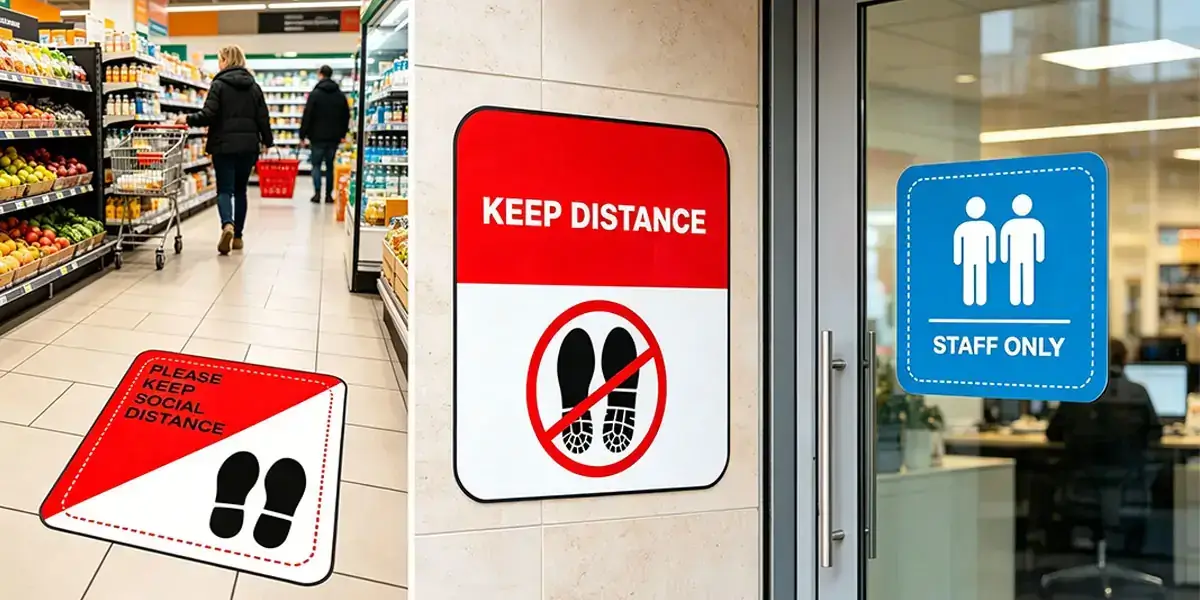
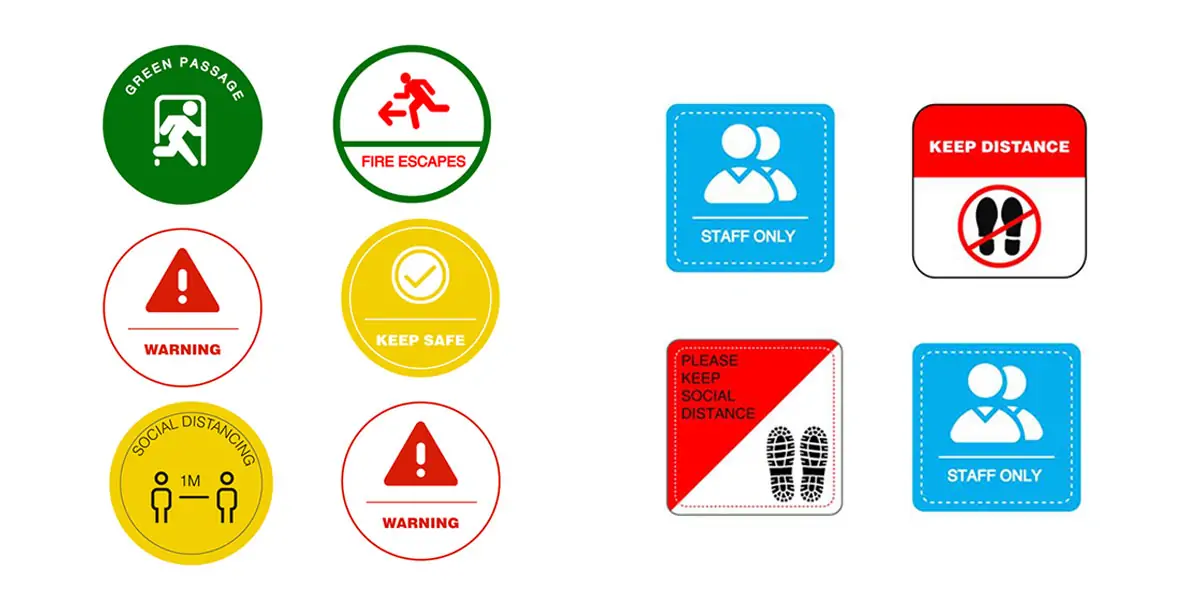
Silicone and PVC are distinct polymers with unique characteristics:
To determine which material is better, evaluate these critical factors:
Silicone: Thrives in extreme temperatures, from -60°C (-76°F) to 230°C (446°F), making it ideal for outdoor applications, automotive components, and kitchen appliances.
PVC: Performs best between -15°C (5°F) and 60°C (140°F). It becomes brittle in cold environments and may warp or release toxins when exposed to heat above 80°C (176°F).
Feature |
Custom Silicone Stickers |
Custom PVC Stickers |
| Safety |
FDA & EN71 compliant, non-toxic, baby-safe |
Requires strict testing for phthalates; not ideal for oral-contact products |
| Elasticity |
High stretch, permanent rebound |
Limited elasticity; prone to cracking after repeated bending |
| Temperature Resistance |
-40°C ~ 230°C |
Poor heat resistance; turns brittle under sustained high temperature |
| Anti-UV Performance |
Excellent, long-term outdoor use acceptable |
Medium; yellowing risk under prolonged sunlight |
| Tactile Feeling |
Soft, rubber-like premium texture |
Firmer, typical plastic rubber touch |
| Production Cost |
Medium-High |
Low, cost-effective for bulk orders |
| Durability |
Long service life (3–5 years indoors) |
Medium lifespan; aging visible after 1–2 years outdoors |
| Environmental Impact |
Eco-friendly, recyclable |
Poor degradability; fossil fuel-based |
| Best For |
Children's products, apparel, outdoor gear, premium brands |
Cost-sensitive projects, short-term indoor use, general labeling |
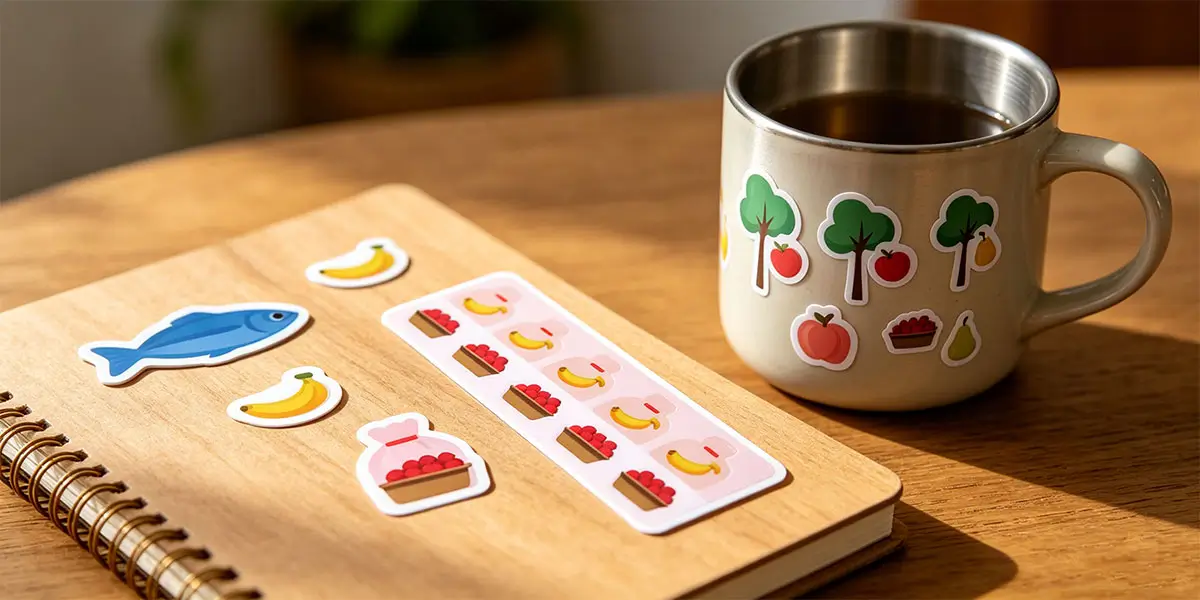
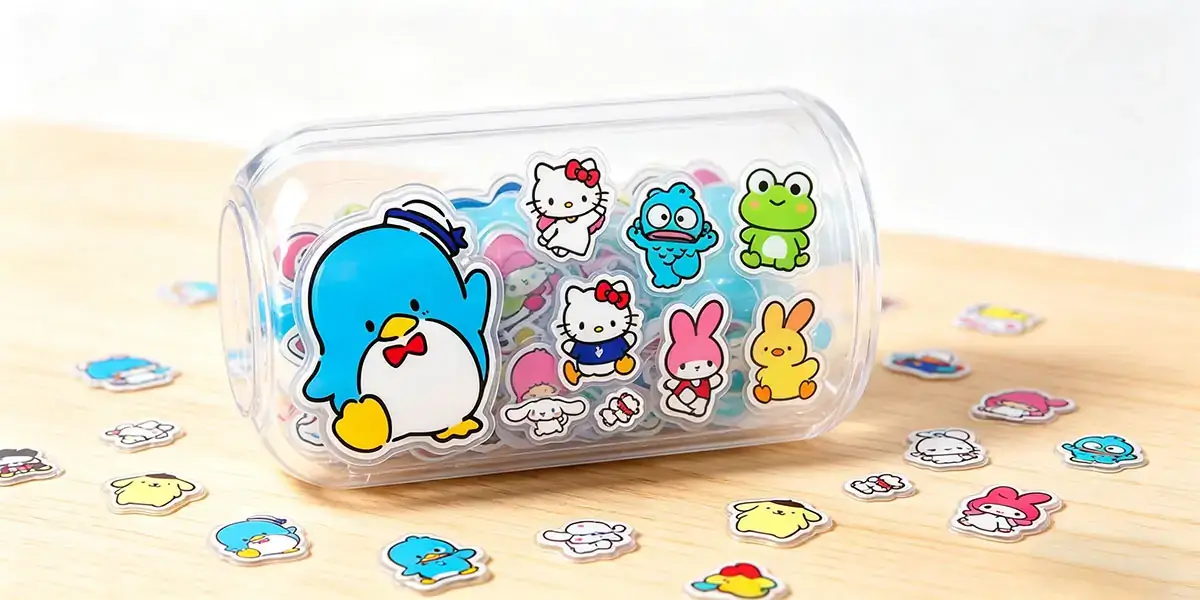
You produce kids' toys, baby accessories, outdoor equipment, high-end apparel branding, reusable merchandise, or require long-term weather resistance. MaStickers offers ODM & OEM service for custom silicone stickers with customized size, thickness and 3D relief depth.
You need low-cost bulk custom stickers for indoor promotions, stationery, limited-time campaign gifts, and budget wholesale orders without strict long-term durability requirements.
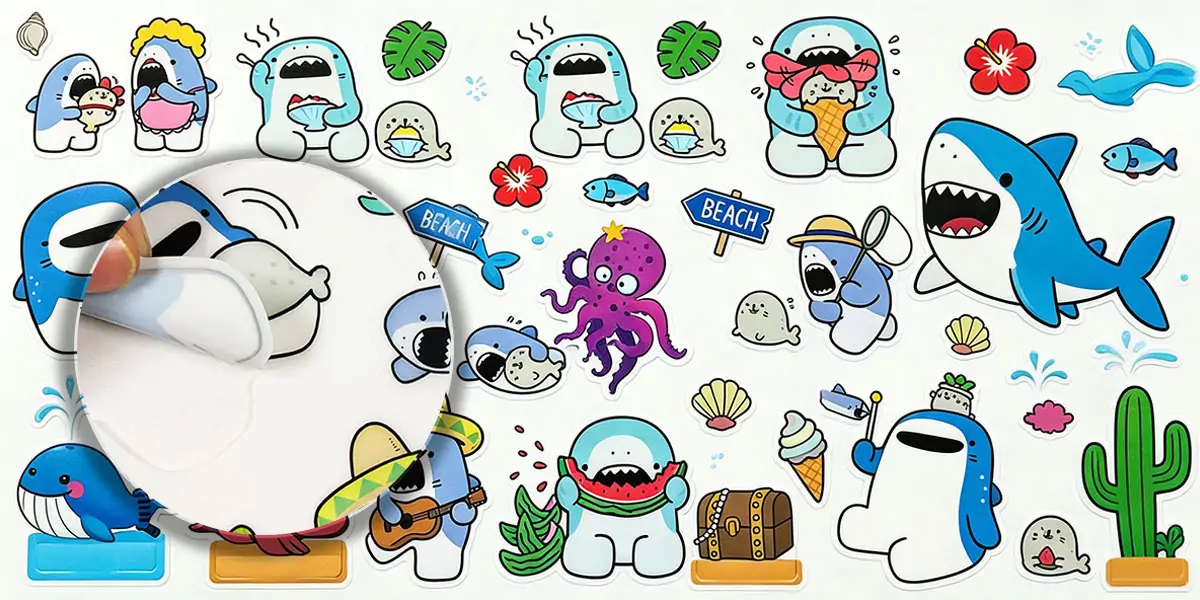
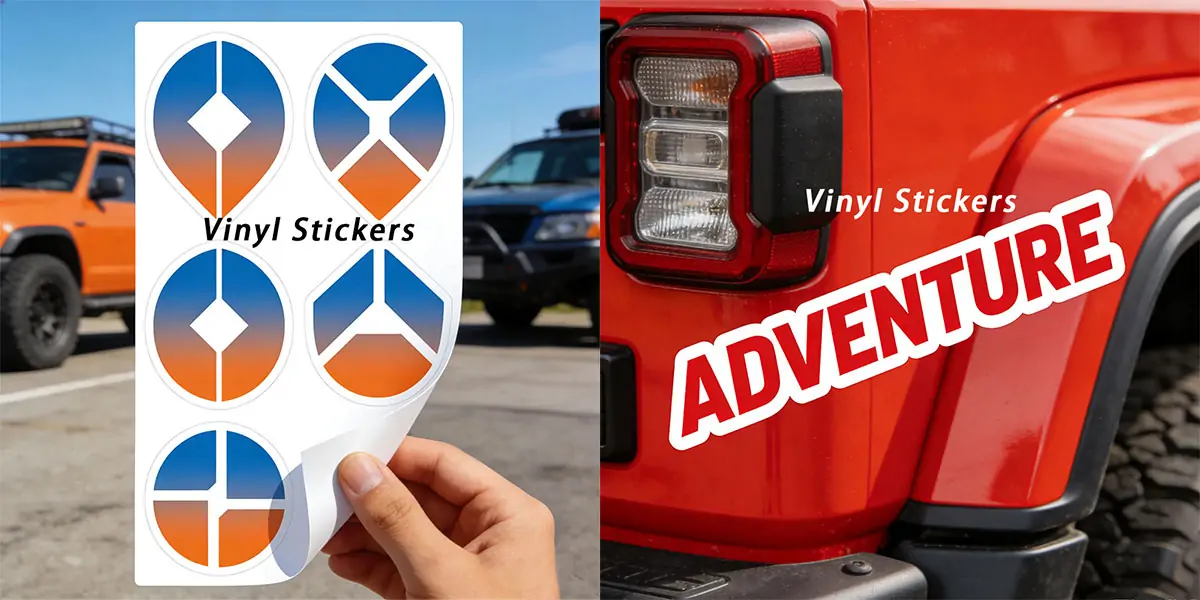
Selecting the right manufacturing partner is as important as selecting the right material. How to Choose the Right Custom Sticker Manufacturer?
MaStickers provides complete OEM custom stickers manufacturing services for international customers. As a professional custom stickers factory, we support both custom silicone stickers and custom PVC rubber stickers.
Whether you plan custom logo stickers for retail goods or wholesale decorative stickers, our team will recommend the most suitable material according to your budget, usage environment and target market compliance standards.
Get in touch today to request physical samples of silicone stickers and PVC custom stickers for comparison.
As a full-service OEM & ODM stickers factory, MaStickers offers tailored solutions for both materials:
Silicone Stickers: Can be produced via compression molding, injection molding, or 3D printing for intricate designs. They are compatible with screen printing, digital printing, and embossing for added texture.
PVC Stickers: Utilize roll-to-roll digital printing or offset printing for high-volume production. They support die-cutting, laminating, and doming (epoxy coating) for enhanced durability and aesthetics.
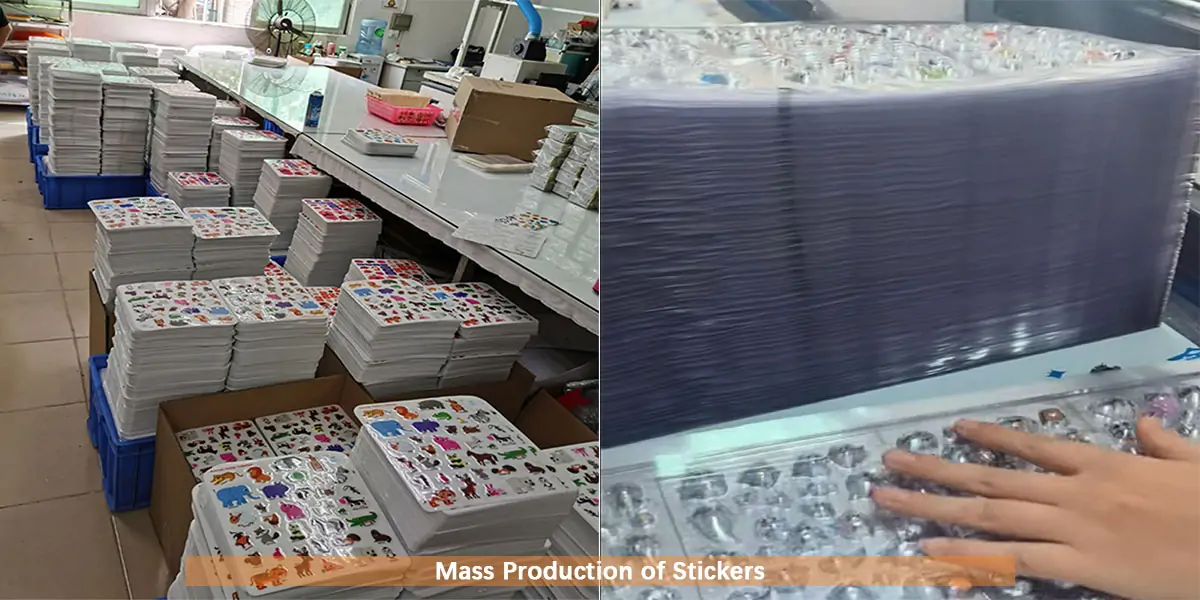
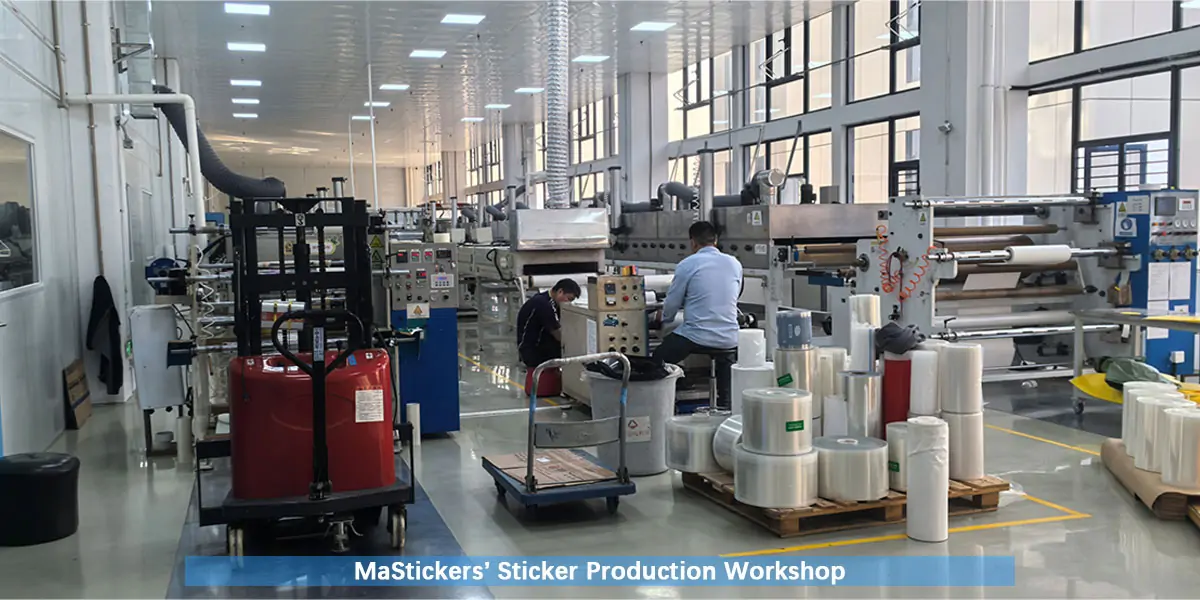
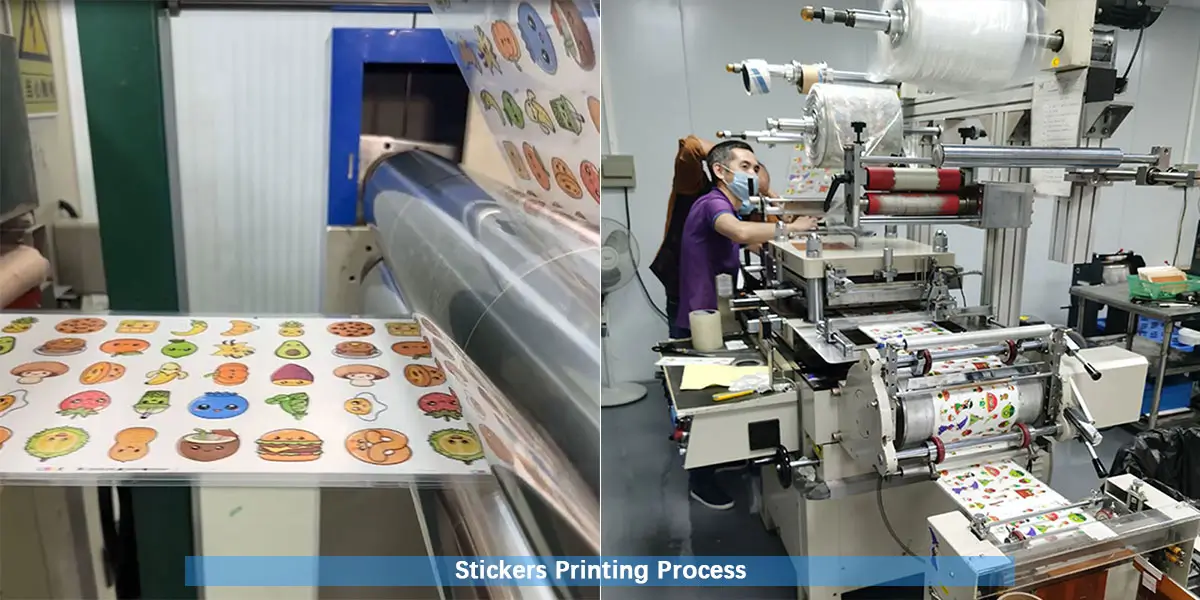
Both silicone stickers and PVC stickers have unique advantages.
As a professional ODM/OEM custom stickers manufacturer, MaStickers helps businesses worldwide develop customized sticker products based on their application, design requirements, and production goals. Whether you need custom silicone stickers, PVC stickers, 3D stickers, epoxy dome stickers, or wholesale custom stickers, our team provides complete manufacturing support from prototype to mass production.
Ready to start your project? Request a free material sample or contact our experts to discuss your custom sticker needs.
Q1: Can silicone stickers and PVC stickers both make 3D embossed effects?
A: Yes. Both materials support 3D raised patterns. Custom silicone stickers use liquid injection molding, while PVC stickers adopt heat compression molding. Silicone delivers softer 3D texture, and PVC achieves sharper rigid embossed lines.
Q2: Are silicone stickers reusable?
A: High-quality custom silicone stickers from MaStickers are washable and reusable. They maintain shape and color after repeated cleaning, suitable for reusable packaging and water bottle decorations.
Q3: Can I mix silicone and PVC materials in one custom sticker order?
A: Yes. As an ODM/OEM custom stickers manufacturer, MaStickers supports mixed material production for different product lines, we can provide separate quotation and sampling solutions.
Q4: How long is the sampling lead time for custom stickers?
A: Prototype samples take 3–5 working days; mass production lead time ranges from 7–12 days after sample approval.
 You May Also Like
No 410, Laoyi Village, Niuhu Community, Guanlan Street, Longhua District, Shenzhen City

MaStickers
Custom Stickers Manufacturer

No 410, Laoyi Village, Niuhu Community, Guanlan Street, Longhua District, Shenzhen City
Product
Get in touch and find out how we canmake your next shipment easier.


Copyright © 2026 Shenzhen Xinyin Environment Rubber Product Co., Ltd



 Home
Home