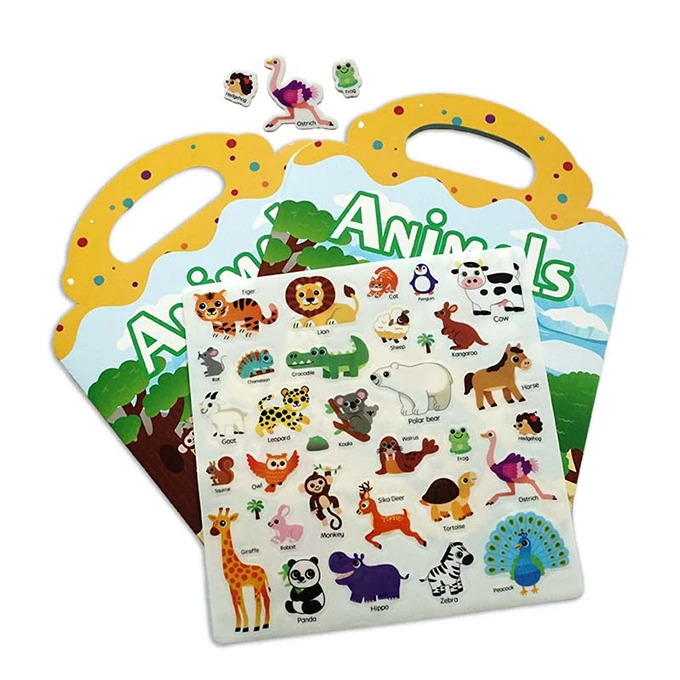
Custom Stickers Factory for Your Brand – Guides, Materials & Customization Hacks

Custom Stickers Factory for Your Brand – Guides, Materials & Customization Hacks
 Xinyin
 Sep 05,2026

When it comes to foam adhesive solutions, not all foam stickers are created equal. Two of the most popular options on the market are EVA foam stickers (ethylene-vinyl acetate) and PU foam stickers (polyurethane). While they may look similar at first glance, these two materials have distinctly different properties.
For brands, wholesalers, retailers, and product developers sourcing custom foam stickers in bulk, understanding the differences between EVA and PU foam can help you choose a material that fits your product requirements.
At Xinyin (MaStickers), a custom stickers manufacturer in China, we specialize in OEM/ODM foam sticker manufacturing, and we've broken down the key differences to help you select the ideal material for your project. Our EVA foam stickers come in a standard 2mm thickness, while our PU foam stickers are offered at a standard 1mm thickness. That's just the beginning of the differences between these two materials.
Both EVA (Ethylene-Vinyl Acetate) and PU (Polyurethane) foam are flexible, cushioning materials. The fundamental gap between EVA foam decals and PU foam decals lies in their manufacturing process and internal cell structure, which determines their overall performance.
EVA foam is typically a dense, rubber-like material with a relatively smooth surface, good flexibility, and sufficient rigidity to maintain its shape. Depending on its formulation and density, EVA foam offers a good balance of cushioning, resilience, and durability.
It features a closed-cell structure, which means it doesn't absorb water and offers excellent insulation properties. EVA foam is widely used in applications ranging from shoe midsoles and floor mats to crafts, cosplay, and protective packaging. In the adhesive tape industry, EVA foam double-sided tape is made by coating adhesive on both sides of an EVA foam substrate.
Its relatively smooth surface and ability to be cut and formed make EVA suitable for many customized applications.
For EVA foam stickers, the material can be processed into decorative shapes and combined with printing and adhesive layers to create raised or dimensional sticker products.
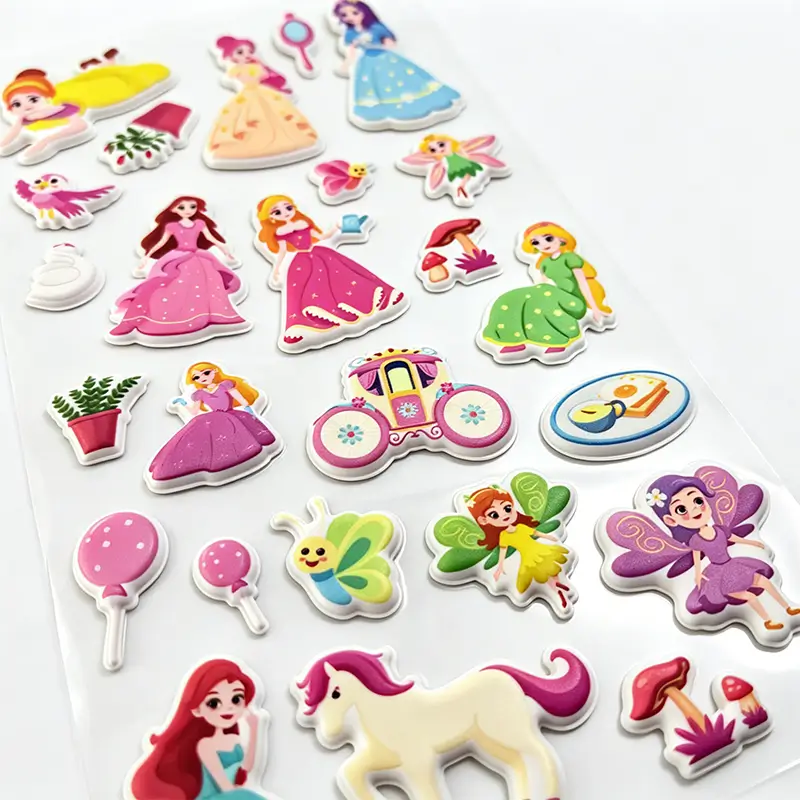
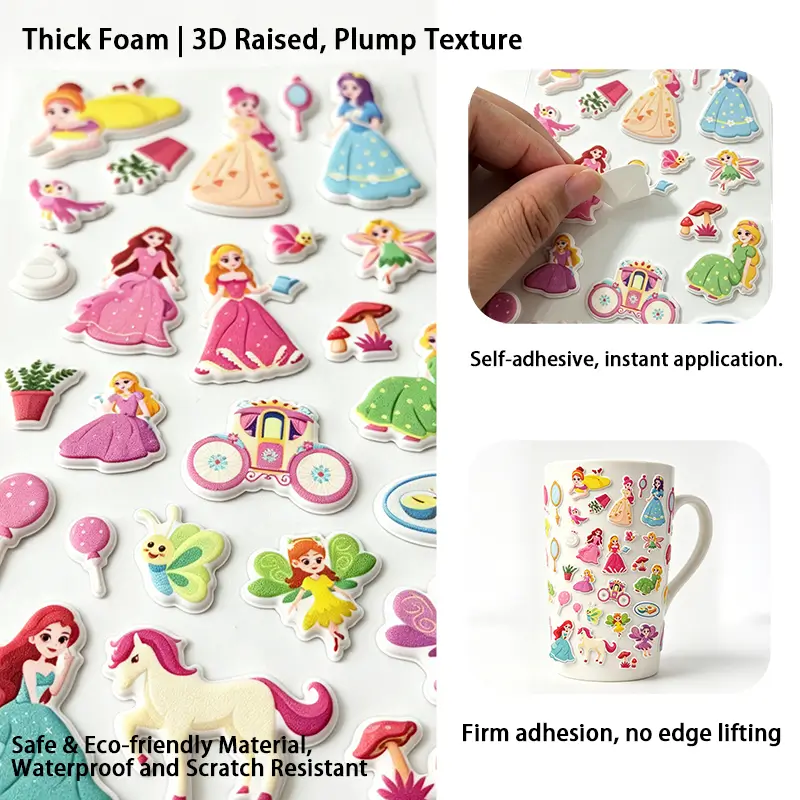
PU stands for polyurethane. PU (polyurethane) foam is made by reacting polyols and isocyanates, and it can be produced in both open-cell and closed-cell forms. Open-cell PU foam is softer, more compressible, and offers superior conformability. Making it ideal for applications that require a gentler touch or better gap-filling capability. Flexible PU foam is commonly used in cushioning, furniture, automotive, bedding, and other applications where flexibility, resilience, and comfort are important.
For sticker manufacturing, this flexibility gives manufacturers opportunities to create soft, dimensional, and visually distinctive custom PU foam stickers.
Understanding the functional strengths of each material helps align with your business needs:
| Feature |
EVA Foam Stickers |
PU Foam Stickers |
| Material |
Ethylene-vinyl acetate |
Polyurethane |
| Health & Safety |
May have initial chemical odor; suitable for non-food contact applications |
Low-odor, virtually odorless |
| Customization |
Easy to die-cut into complex shapes; supports vibrant printing |
Excellent print clarity; compatible with adhesive backing for secure bonding |
| Adhesion Strength |
Good |
Excellent |
| Texture | Smooth, rubbery | Softer, spongier |
| Flexibility |
Good |
Can range from soft to highly flexible |
| Surface |
Generally smooth |
Can be soft or textured depending on structure |
| Dimensional effects |
Suitable for raised designs |
Suitable for soft and dimensional designs |
| Processing |
Cutting, shaping, laminating and printing |
Cutting, laminating, foaming or molding depending on formulation |
| Typical strength |
Lightweight and durable for many applications |
Properties vary widely by PU formulation |
| Water Resistance | Good(closed-cell) | Moderate (open-cell absorbs) |
Important: This comparison describes general material characteristics. Actual performance should always be confirmed against the specific foam grade and finished sticker construction.
There is no universal winner between EVA and PU foam. The better material depends on the product design, desired texture, thickness, appearance, application, and production requirements.
1. The Odor Factor: A Critical Health Consideration
One of the most significant differences between EVA and PU foam stickers is odor. This isn't just about comfort; it's about health.
EVA foam can emit volatile organic compounds (VOCs) when new. This is primarily due to the AC foaming agent used in production, which decomposes to produce ammonia and formamide during the foaming process. While off-gassing typically diminishes over time with proper ventilation, the initial odor can be unpleasant and may cause temporary respiratory irritation in sensitive individuals.
PU foam, on the other hand, is known for being low-odor and virtually odorless. Modern low-emission polyurethane systems are formulated with special raw materials that significantly reduce the emission of benzene, toluene, xylene, formaldehyde, and other harmful VOCs. This makes PU foam stickers the healthier choice for indoor applications, particularly in enclosed spaces where air quality matters.
Mastickers Pro Tip: If odor sensitivity or indoor air quality is a concern for your project, PU foam stickers are the clear winner.
One of the easiest differences to notice is the tactile experience.
EVA foam generally has a relatively smooth and resilient feel. Its firmness can make it suitable for decorative products that need to maintain a defined shape.
PU foam can offer a softer and more cushioned feel. However, PU is a broad material category, so hardness and elasticity can vary considerably.
For custom foam stickers, the desired tactile effect should therefore be discussed with the manufacturer rather than selecting a material based only on its name.
EVA foam adhesive stickers offer balanced flexibility and strong resilience, with excellent impact absorption capacity. They can withstand repeated extrusion and bending without permanent deformation.
PU foam adhesive stickers are softer and more compressible, providing better instant cushioning. However, their resilience is weaker than EVA foam, and long-term compression can lead to irreversible flattening.
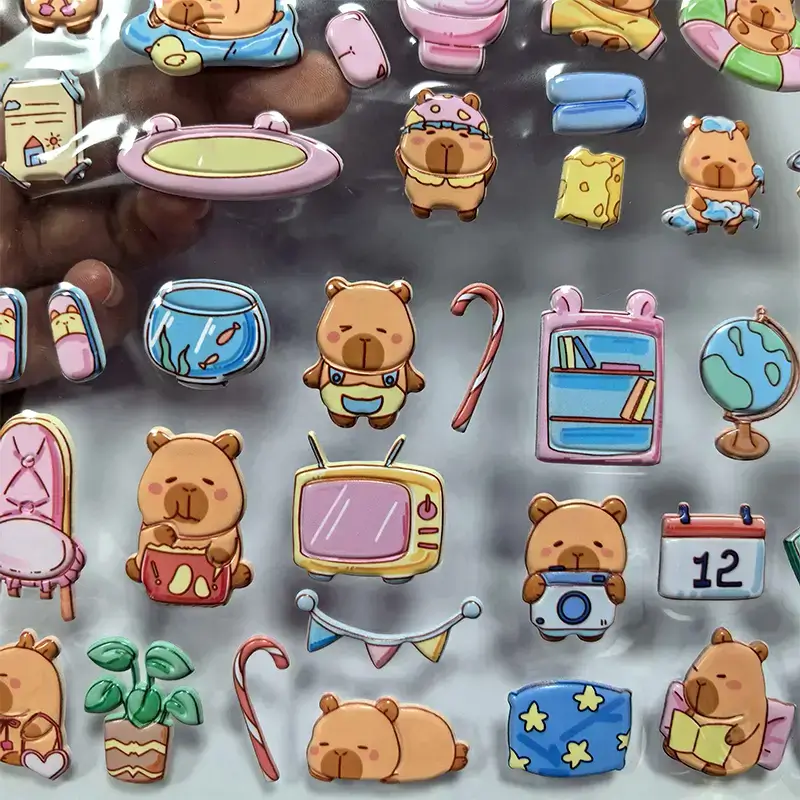
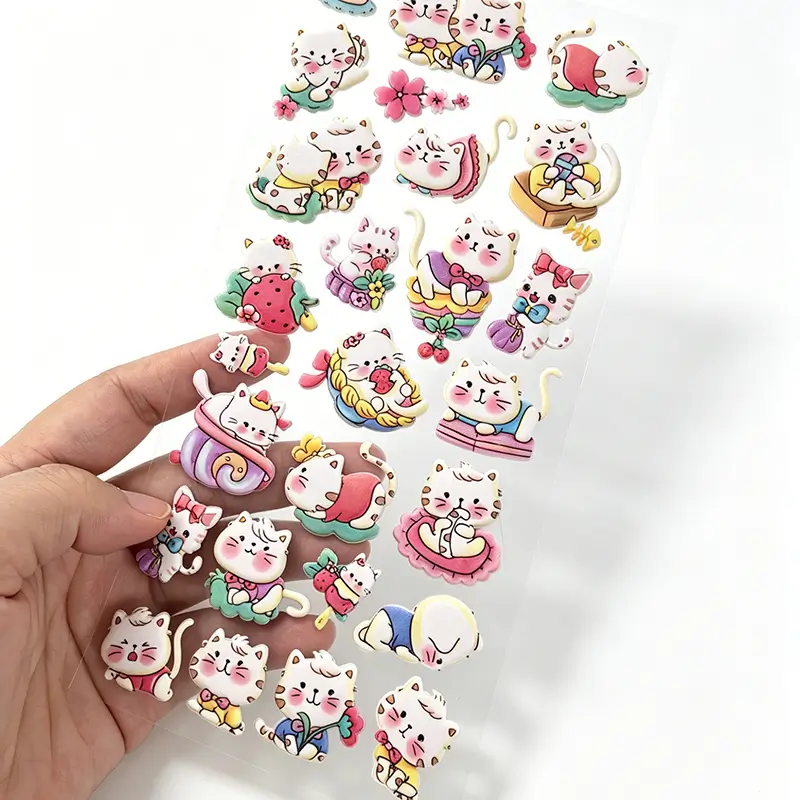
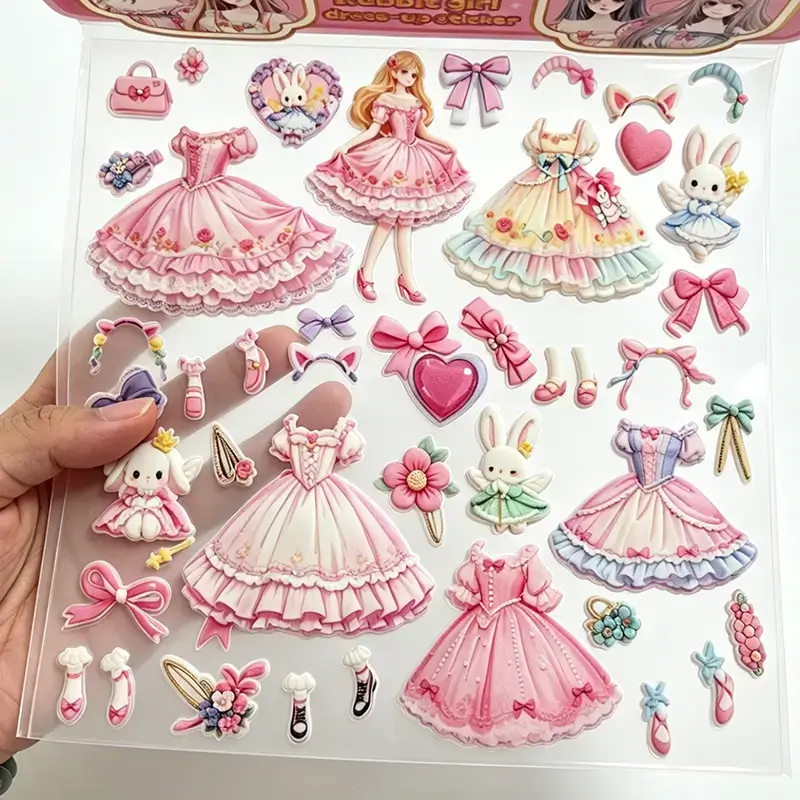
Surface appearance is particularly important for decorative stickers.
EVA foam is commonly available with a relatively smooth surface, making it suitable for products where a clean and consistent appearance is required.
PU foam can also achieve attractive surfaces, especially when the foam structure or molding process is designed specifically for the intended product. Certain PU integral foam systems can combine a flexible foam core with a tougher outer skin and reproduce different mold textures and surface finishes.
For custom puffy stickers and other dimensional products, surface texture can therefore become part of the product design rather than simply a material characteristic.
A foam sticker is not only a piece of foam. The final product may involve multiple manufacturing stages, including:
The selected material needs to work with the required printing and finishing processes. For example, your design may require:
A manufacturer should evaluate the complete product structure before recommending the material. This is especially important for OEM foam stickers, where the buyer is developing a product rather than simply purchasing a standard stock item.
The right choice depends on what the sticker needs to achieve. EVA foam may be suitable when you need a foam material with a relatively firm and structured feel.
EVA's established use in crafts, toys, sports products, and other lightweight applications supports these types of use cases.
PU foam may be suitable when you want a softer, more cushioned, or flexible tactile effect. PU foam is widely used in applications where softness, resilience, cushioning, or flexible performance are important.
For custom PU foam stickers, this can be useful when the product concept emphasizes:
However, the final performance depends on the exact PU foam formulation and sticker construction.
There is no single answer. Instead, start with the product requirements.
The final decision should be made based on the actual product specification and sample performance, not simply the generic material category.
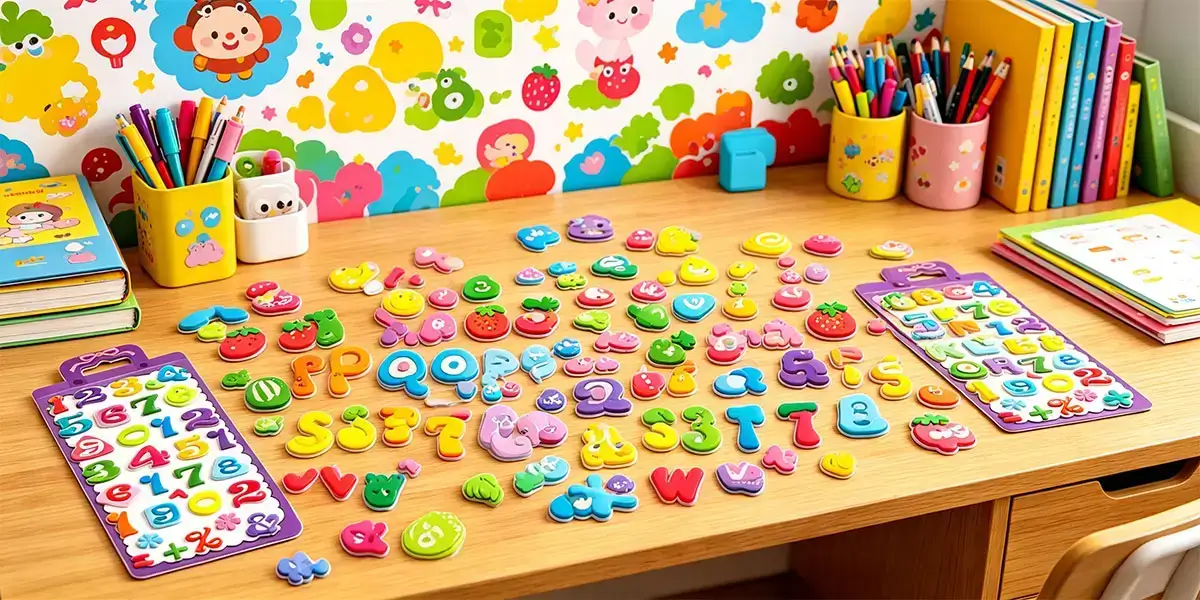

Project Requirements: For outdoor use cases, 2mm EVA foam stickers deliver long-lasting performance. If you prioritize a lightweight, odor-free solution for consumer-facing products, 1mm PU foam stickers are the better choice.
Cost Efficiency: EVA foam is generally more cost-effective for large-volume orders, while PU foam offers premium quality for high-end branding projects.
Sustainability: PU foam's low-emission production aligns with eco-friendly procurement goals, making it a preferred option for businesses focused on carbon footprint reduction.
At MaStickers (Xinyin), we offer custom EVA foam stickers and custom PU foam stickers with OEM/ODM services to meet your unique specifications. Whether you need prototype samples or bulk production, our factory ensures consistent quality and on-time delivery.
For MaStickers, material selection is based on the requirements of the finished sticker rather than treating every foam sticker as the same product.
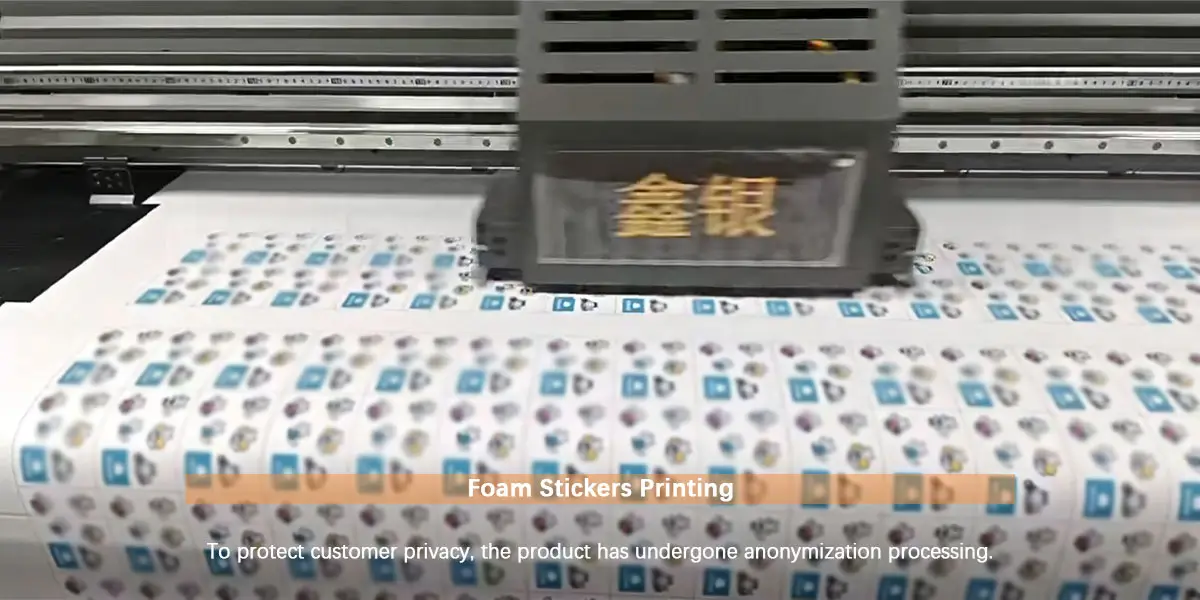
For its PU foam sticker applications, the production process uses PU foam material that is coated and foamed, followed by printing, adhesive application, and precision processing according to the product requirements. This approach allows the material and manufacturing process to be selected around the intended appearance and product structure.
For B2B customers, this is important because OEM sticker manufacturing is not a one-material-fits-all process.
Before products enter mass production, it is essential to ensure that the selected foam material meets the following conditions:
At Mastickers, we understand that every project has unique requirements. That's why we offer both EVA foam stickers and PU foam stickers, so that you can choose the material that best fits your needs.
Our foam stickers are precision die-cut and available in custom shapes, sizes, and adhesive options to meet your specific application requirements.
Have questions about which foam sticker is right for your project? Contact our team today, we're here to help you make the right choice.
If you are unsure whether EVA or PU is better for your project, provide your manufacturer with as much information as possible.
What is the intended application? Explain where the sticker will be used and who will use it.
What thickness do you need? Thickness affects appearance, flexibility, tactile feel, and production requirements.
What type of adhesive is required? The adhesive needs to match both the foam material and the target application surface.
What visual effect do you want? For example: flat, raised, puffy, embossed, 3D, and multi-layered.
What is your expected order quantity? Material and manufacturing decisions may differ between samples, small production runs, and large-volume OEM orders.
EVA and PU foam each have useful characteristics, but neither material is automatically better for every sticker application. Most importantly, the correct decision should consider the complete sticker construction, including foam, printing, adhesive, thickness, surface finish, and intended application.
For brands and wholesalers developing custom foam stickers in bulk, working with an experienced custom OEM stickers manufacturer can help turn these requirements into a manufacturable product.
MaStickers specializes in custom sticker manufacturing and OEM/ODM production, including PU foam stickers and other specialty sticker products. If you already have artwork, a reference sample, or simply an idea for a new foam sticker, send your requirements to MaStickers. Our team can evaluate the design and recommend a suitable material and production approach for your project.
 You May Also Like
No 410, Laoyi Village, Niuhu Community, Guanlan Street, Longhua District, Shenzhen City

MaStickers
Custom Stickers Manufacturer

No 410, Laoyi Village, Niuhu Community, Guanlan Street, Longhua District, Shenzhen City
Product
Get in touch and find out how we canmake your next shipment easier.


Copyright © 2026 Shenzhen Xinyin Environment Rubber Product Co., Ltd



 Home
Home